

Welcome to the Club
Ongaku Magazine is a teen-run music magazine, an independent collective of writers, critics, musicians, and producers under twenty. Explore below to find our original teen-written content, curated-playlists, charts, resonate with various topics surrounding the music industry.
JUMP TO…
Our Sections





See the Ongaku Charts
Ongaku Magazine publishes two curated ranking charts: a Top 25 Songs chart and a Top 20 Artists chart. Unlike sales-driven lists, our charts prioritize artistry — the compositional craft, emotional depth, innovation, and lasting resonance of a track or artist — over immediate commercial performance. We hold that true artistry shouldn’t be reduced to first-week streaming numbers or chart-topping ad buys; the most meaningful music often proves its value over time.
Discover the latest additions to our collection—handpicked pieces that bring new energy to your space.

The Ongaku 50

Stay Up To Date Via Instagram






kokoro ni ongaku.
Paint it Red: The Voice of the Silenced Generation
When we think of Western pop and rock music, the first things that come to mind are catchy riffs and melodies, references to having a good time, and whatnot, but hidden within the discographies of a surprising number of Western artists, are songs sampling Sanskrit verses composed thousands of years ago as part of an oral tradition to preserve and pass down sacred knowledge across generations. Quite the tonal whiplash if you’d ask me.

How Lana Del Rey’s “Norman Fu**ing Rockwell” Deconstructs Americana
Today, with over 51% of Americans finding the Dream economically unachievable, Lana Del Rey uses her 2019 album Norman F***ing Rockwell! to navigate the sorrowful loss of the American Dream.
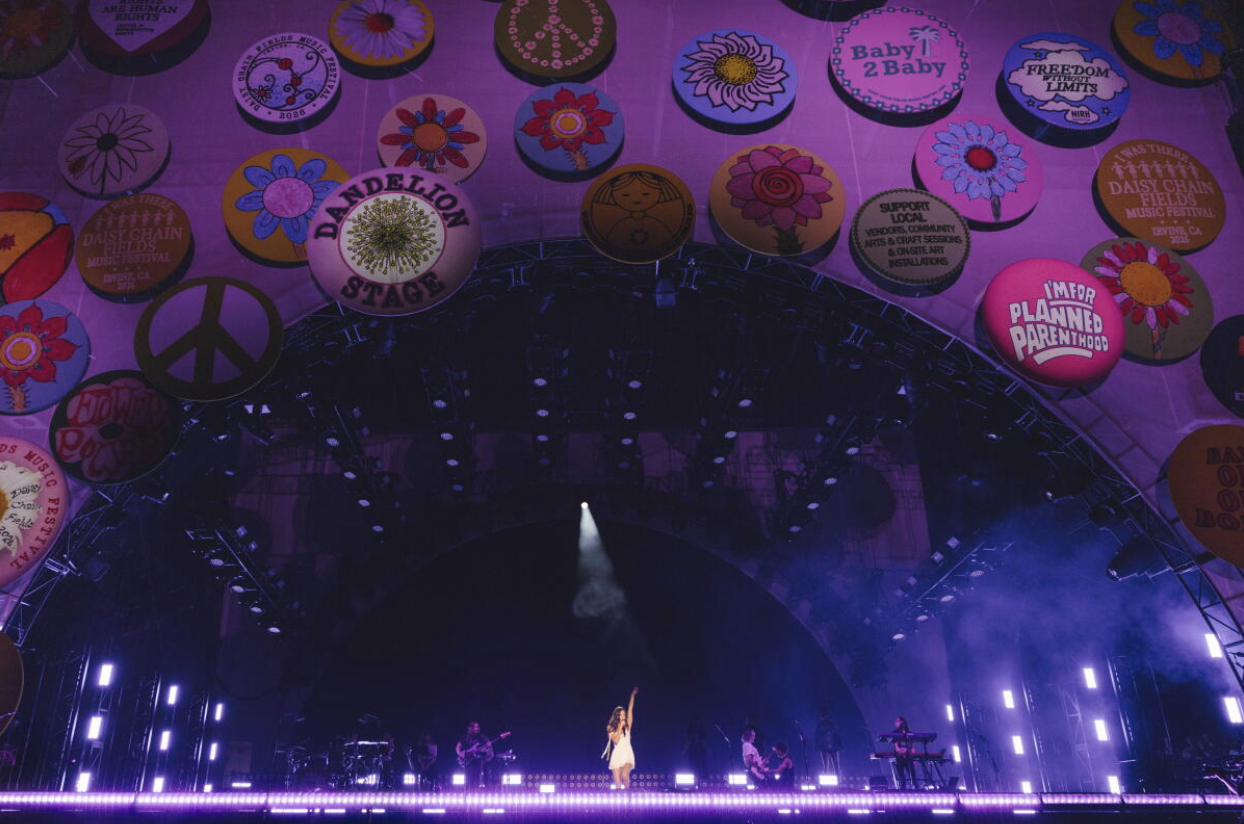
Daisy Chain Fields: Olivia Rodrigo Brings Lilith Fair Into 2026
On August 29, Olivia Rodrigo brought together 45,000 people in Irvine, California, for the first ever Daisy Chain Fields. The one-day festival featured an entirely women-led lineup, ranging from rising acts like Doechii and Chappell Roan to established artists like Garbage, Bikini Kill, and the Breeders.

She's More Than a "Brat": The Curious Case of Charli xcx
When Charli xcx shared on the Nicky at Night podcast that she was apathetic about whether or not her new album “Music, Fashion, Film” would flop, most business-oriented music listeners, executives, and labels would raise an eyebrow.
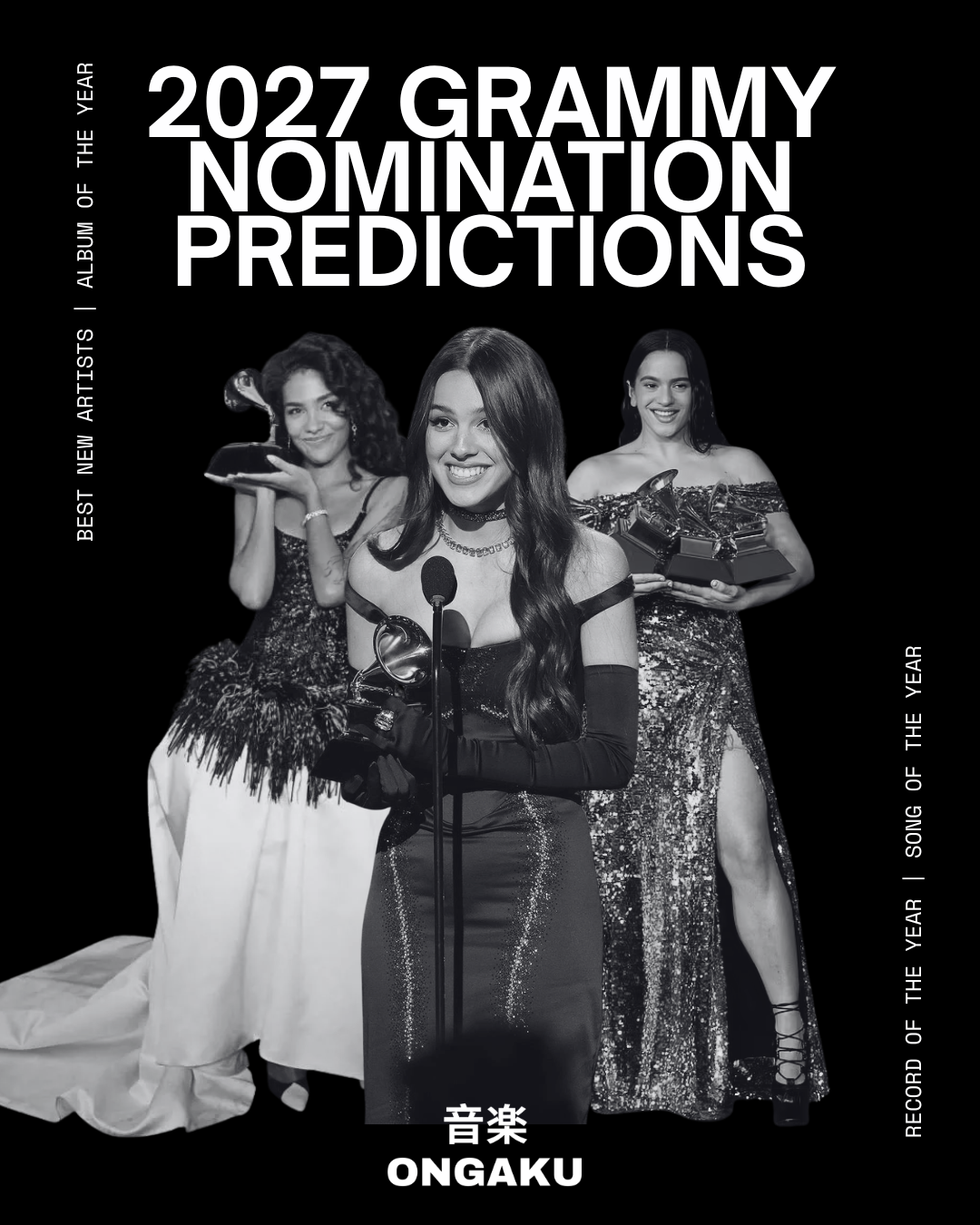
My Predictions for 2027 Grammy Nominees
The cycle for the 2025-2026 music is about to close in August with nominations being officially released in November 2026. I’ve selected each of my nomination predictions based on each song and artist’s likability within the industry, progression and narrative as an artist, the exploration of their songs, and cultural relevance. Please enjoy!
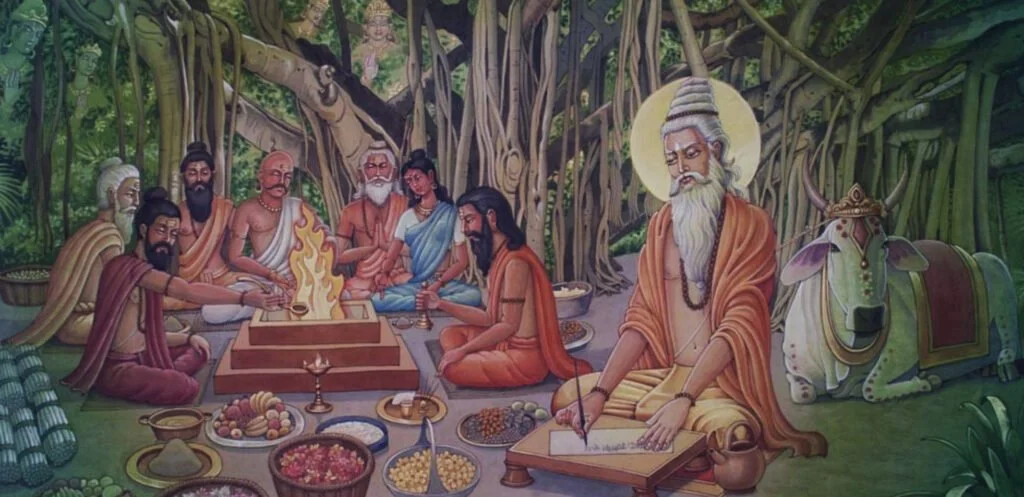
From the Vedas to Vinyl: How Sanskrit Chants Continue to Shape Western Music
When we think of Western pop and rock music, the first things that come to mind are catchy riffs and melodies, references to having a good time, and whatnot, but hidden within the discographies of a surprising number of Western artists, are songs sampling Sanskrit verses composed thousands of years ago as part of an oral tradition to preserve and pass down sacred knowledge across generations. Quite the tonal whiplash if you’d ask me.
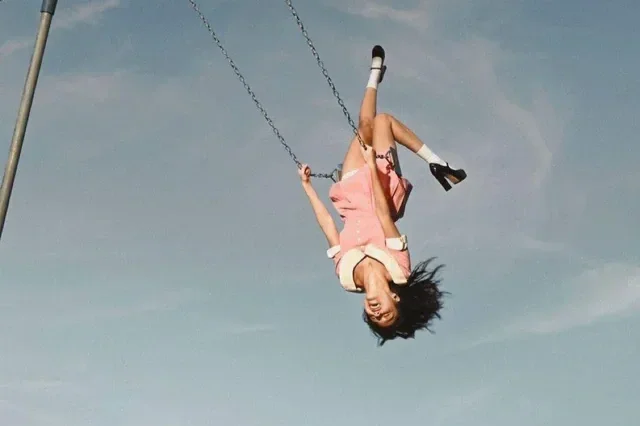
Too in love to not to be sad: How opposing feelings mix in Olivia Rodrigo’s new album.
Olivia Rodrigo’s third studio LP, “You Seem Pretty Sad for a Girl So in Love”, released on June 12, 2026, via Geffen Records, stands as her most mature, experimental and commercially dominant work. It’s an album that doesn't just propel her career: it completely rewrites the rules for modern alternative pop.
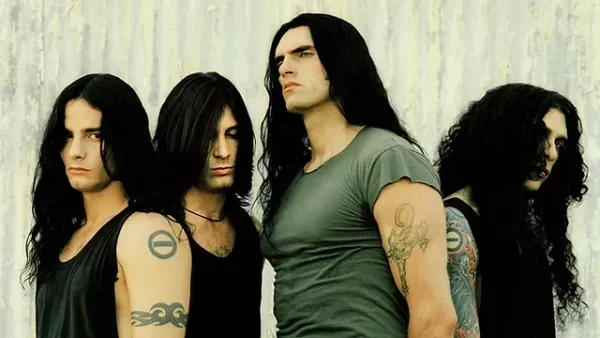
A Review of the Timeless Goth Rock Album “October rust”
Most songs explore romance, but Type O Negative does not merely explore it, it wallows in it. The four-member band that started in 1989 has a plethora of songs within their discography that explores this phenomenon. The clearest example is “October Rust” (1996): an album both provocative and poetic, horny and sincere, and most importantly, an album built on contradictions.
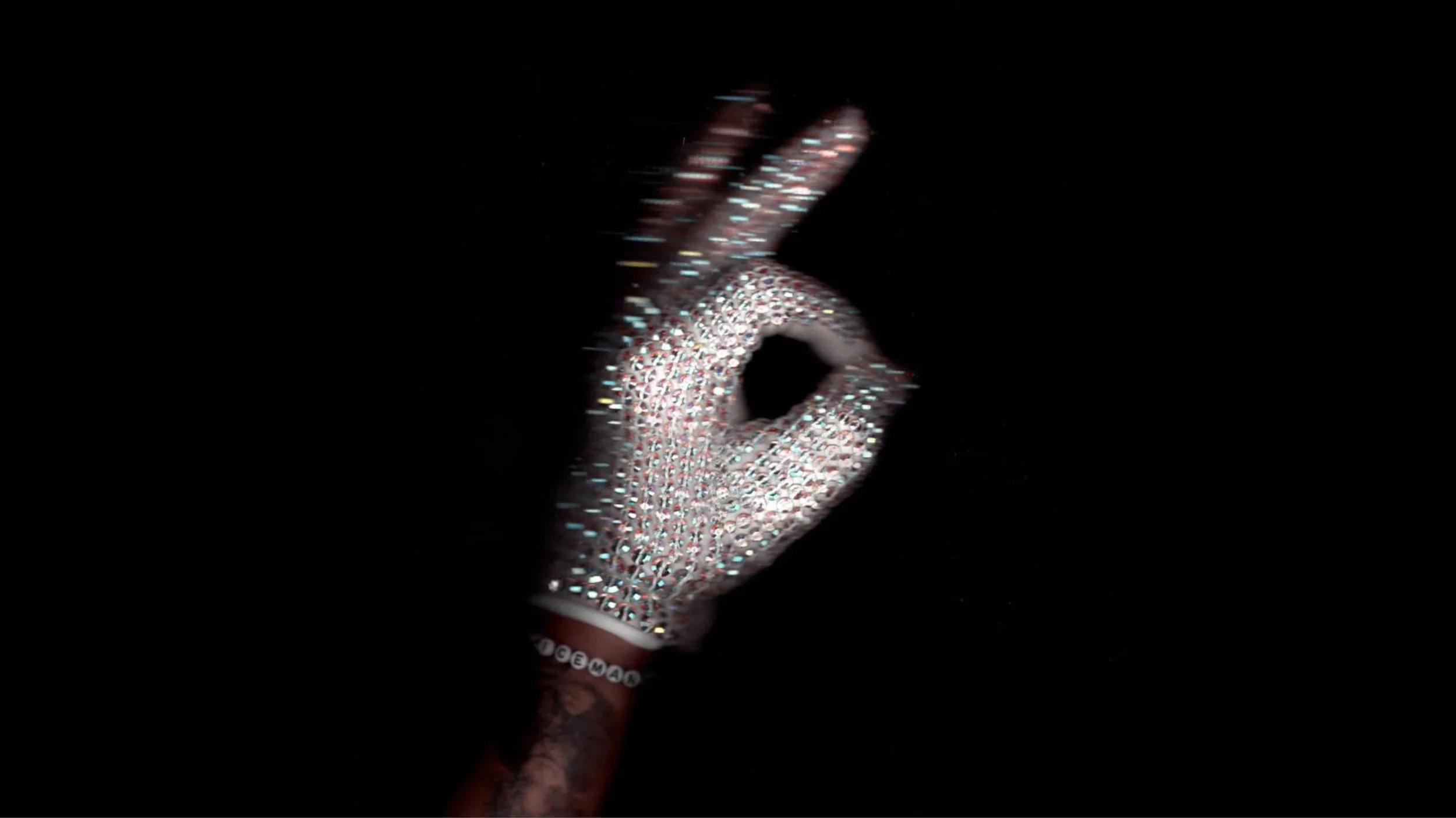
Drake makes history with a new trilogy album release
On May 15, 2026, Drake changed the traditional album release way completely, dropping a massive three-part project: Iceman, Habibti, and Maid of Honour all in one night. Since Drake’s heavy fallout in 2024 after his Kendrick Lamar feud, the 43-song release represents an artistic reconstruction rather than a standard comeback focused on commerciality.
When we think of Western pop and rock music, the first things that come to mind are catchy riffs and melodies, references to having a good time, and whatnot, but hidden within the discographies of a surprising number of Western artists, are songs sampling Sanskrit verses composed thousands of years ago as part of an oral tradition to preserve and pass down sacred knowledge across generations. Quite the tonal whiplash if you’d ask me.