The Fan-to-Industry Professional Pipeline
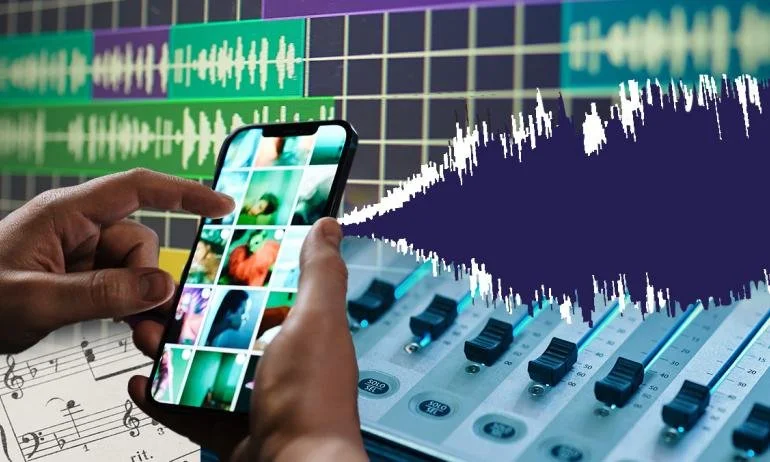
Credit: Berklee School of Music
Did you know that many musicians and industry professionals are affiliated with fan accounts? Whether they take a role as the social media manager who posts constant updates or the designer who makes fan posters and art, a recurring part of the music industry are fandoms. Today, musicians don’t just create audiences: they also create workers, and often they are the most passionate fans you'd ever meet.
Over the past few years, artists have noticed a shift in audience behavior. Audiences have gone from simply consuming music to becoming a wider part of the artistic and business world that each artist evokes. Amongst artists recognizing this shift comes singer Louis Tomlinson, who has spoken out about the way dedicated fanbases have evolved beyond support systems and have turned into industry insiders.
In a recent interview with famous music journalist Zane Lowe, Tomilson shares that: “The line between fan and professional is thinner than it has ever been...These people live and breathe these projects, [and] it’s so important to them… they do it just for the passion”. “There can be a side of the industry that occasionally feels a little artificial. [But] we’re doing this together… I wouldn’t be able to do any of this without them.”
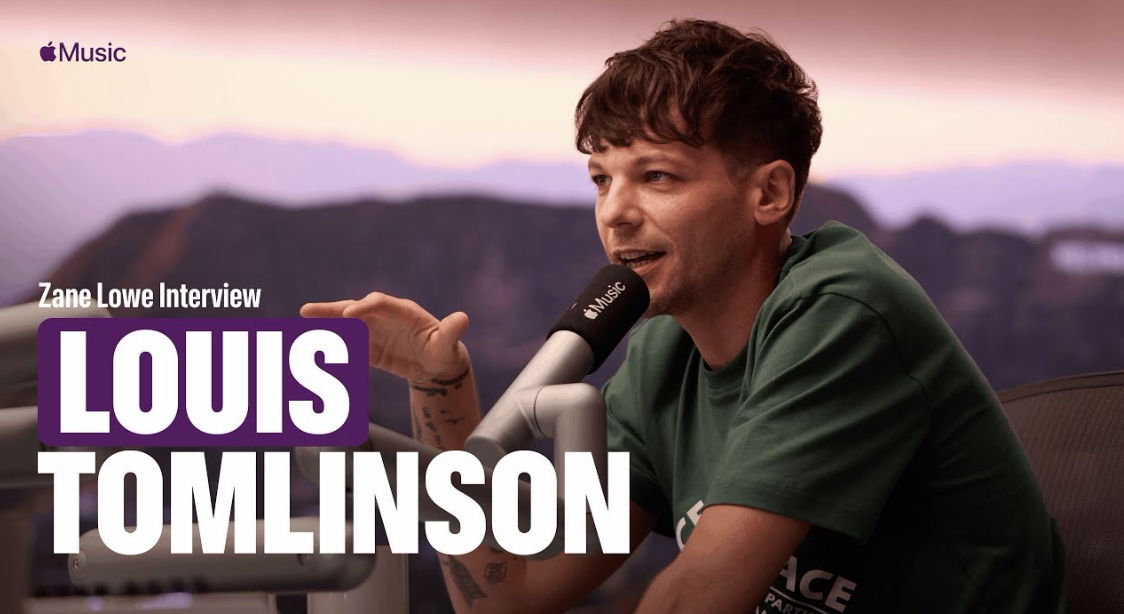
View The Louis Tomlinson and Zane Lowe Interview Above
To Louis, the distinction between a normal fan and an insider is evident. Reflecting on his fanbase over the past years, he has seen a level of investment not only during his time in the band One Direction, but also in his solo career. His observation points towards a growing reality within music culture where the distance between fans and profession is rapidly shrinking.
Louis Tomlinson is far from the only artist whose career has been shaped by a strong fanbase. Artists like Taylor Swift, Ariana Grande, Harry Styles, and plenty more all have huge fan run networks that are dedicated to promotion, constant updates, and online engagement. Many of these accounts serve almost like independent marketing teams. They often organize and host streaming parties, create graphics, and keep audiences informed on announcements, often astonishingly within minutes. In some major cases, these fan accounts have grown so large that they can directly influence charts, ticket sales, and artist visibility.
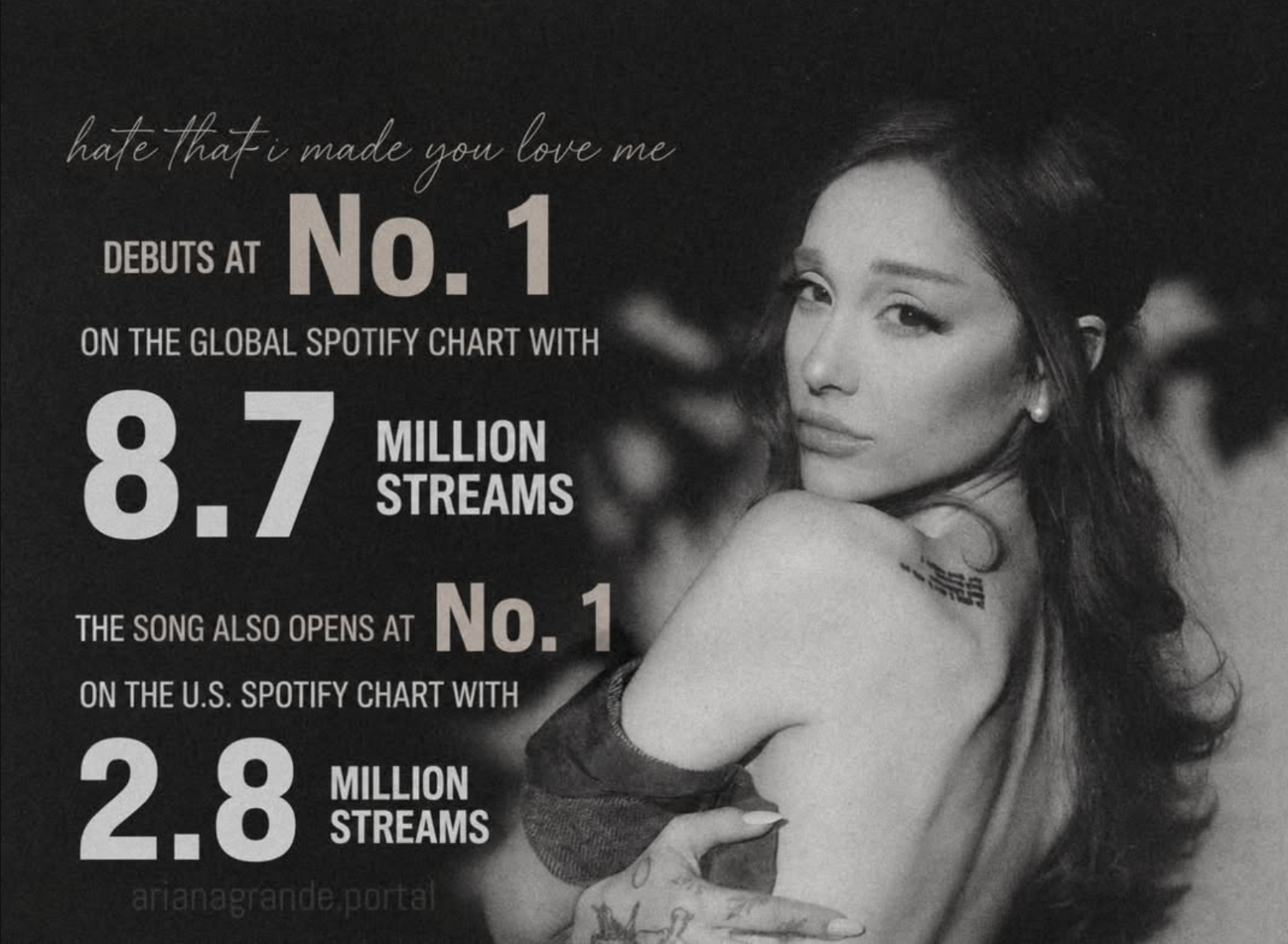
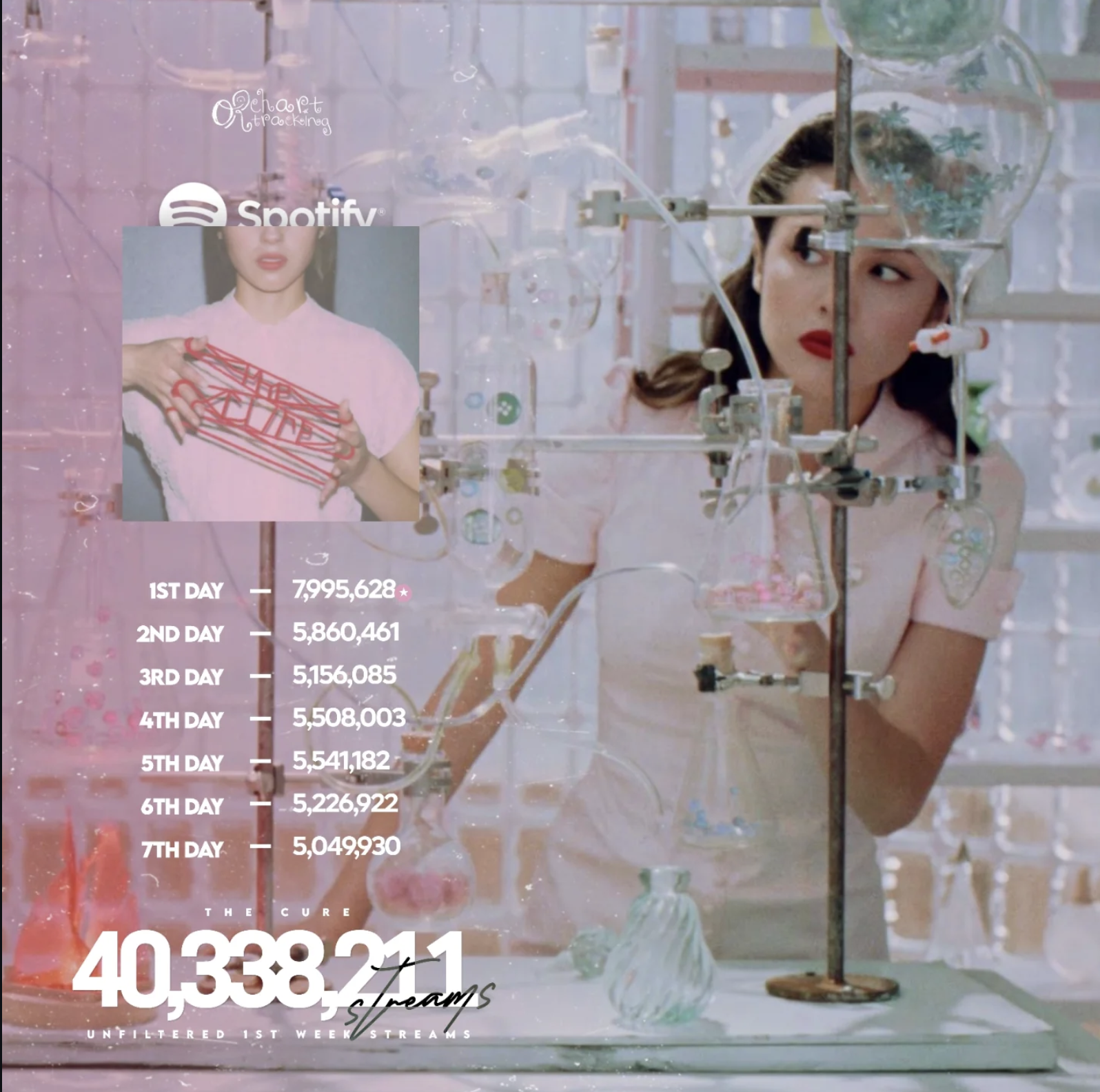
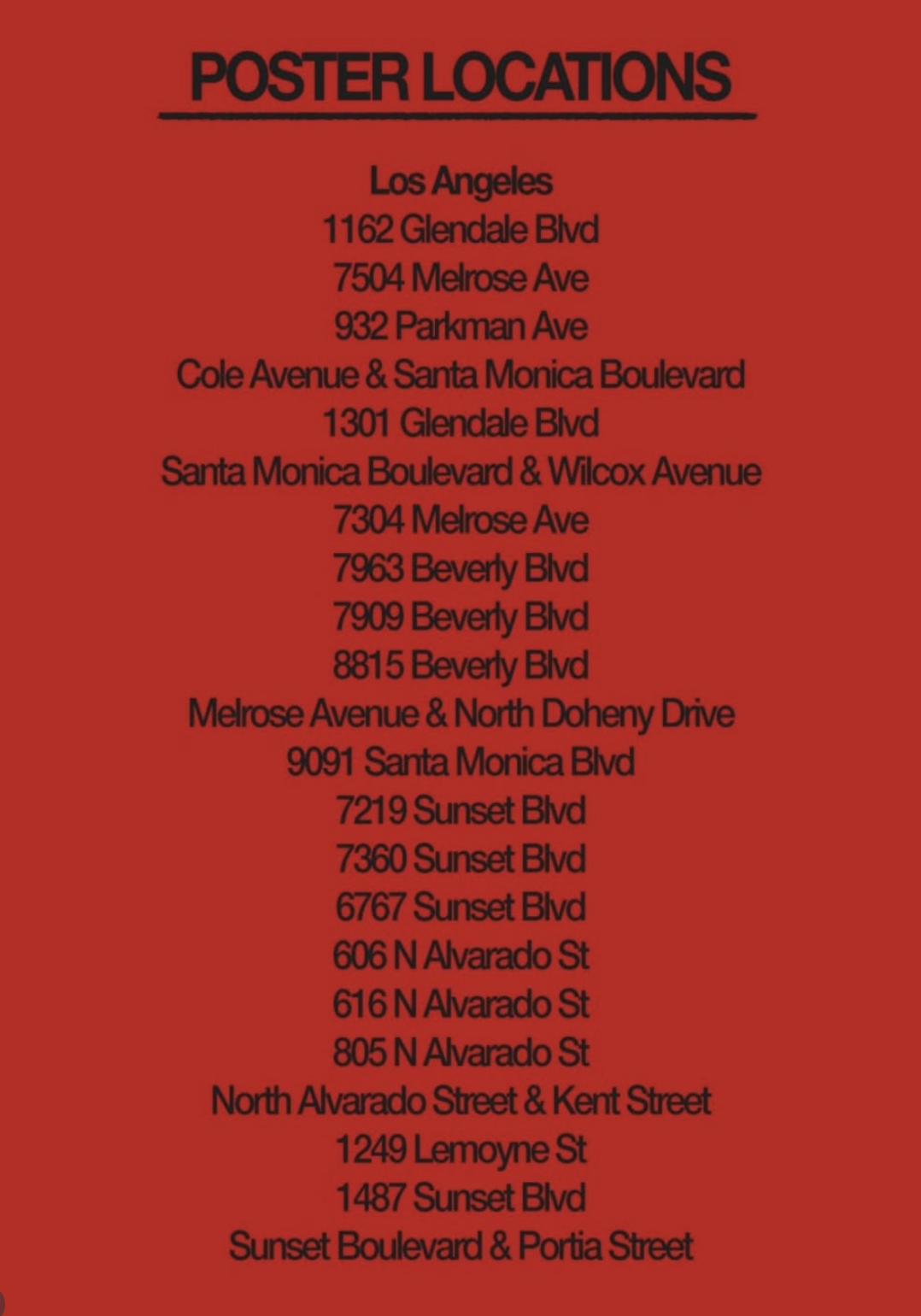
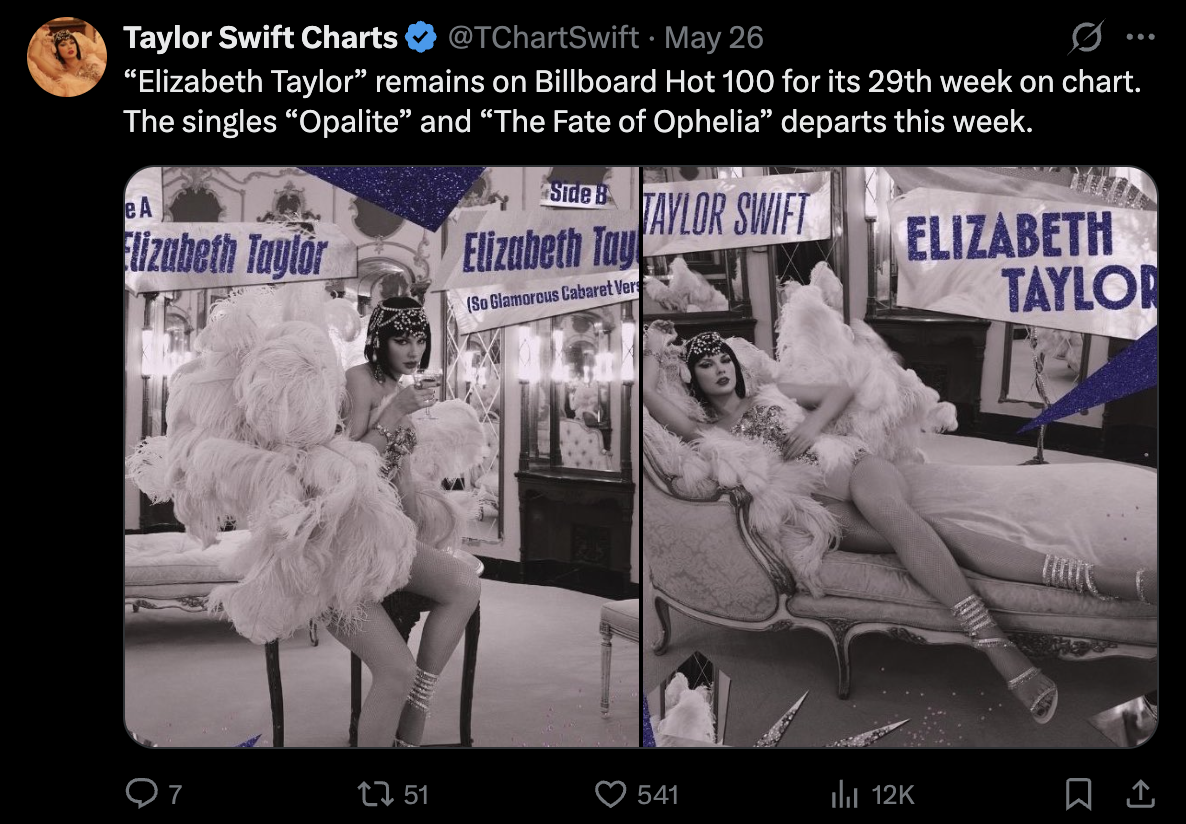
Examples of Fan Posts Updating Communities On Artist Updates, Ranging from Chart Data, Poster Locations, and More
As a recurring theme, passion is a beautiful phenomenon, especially in the music world, where passion powers an enormous amount of work. From day to day, fans carry large voluntary burdens. What looks simple from the outside is reinforced by quick-responsive update informing, coordinating fan projects, amplifying releases, and much more–clearly a logistical heap of work. Moreover, their work is unpaid. The fans aren’t motivated by financial gain but are simply enthusiastic and driven enough to promote their favorite artists.
This impact is also measurable and very often seen in the industry. Mandy Dalugdug, a writer for Music Business Worldwide, conveys how “Artists with strong fan engagement on Instagram saw their streaming numbers grow 23% year-over-year, compared to only 3% for average artists.” This demonstrates how deeply involved fan communities can directly influence an artist's success and recognition. And, by the end of it, people who spend years taking on such fan responsibilities often discover that they already possess industry-ready skills.
Music culture no longer moves in a fluid direction but is rather carried forward by the same passion that it consumes. The boundary between the audience and creator has become increasingly flexible. With fans no longer existing as just listeners but as active participants who help to shape the sound, narrative, and industry, what once began as admiration now has evolved into creation, contribution, and a shared cultural language. In this transforming cycle, influence doesn’t simply flow from the industry to the listeners; it often circulates back and is reshaped by the very people it was designed to reach. In the end, music culture is shaped just as much by its audience as by those who create it, and often, it is the audience that may ultimately determine what it becomes.