Is the new Wuthering Heights soundtrack terrible?
Credit: Warner Brothers
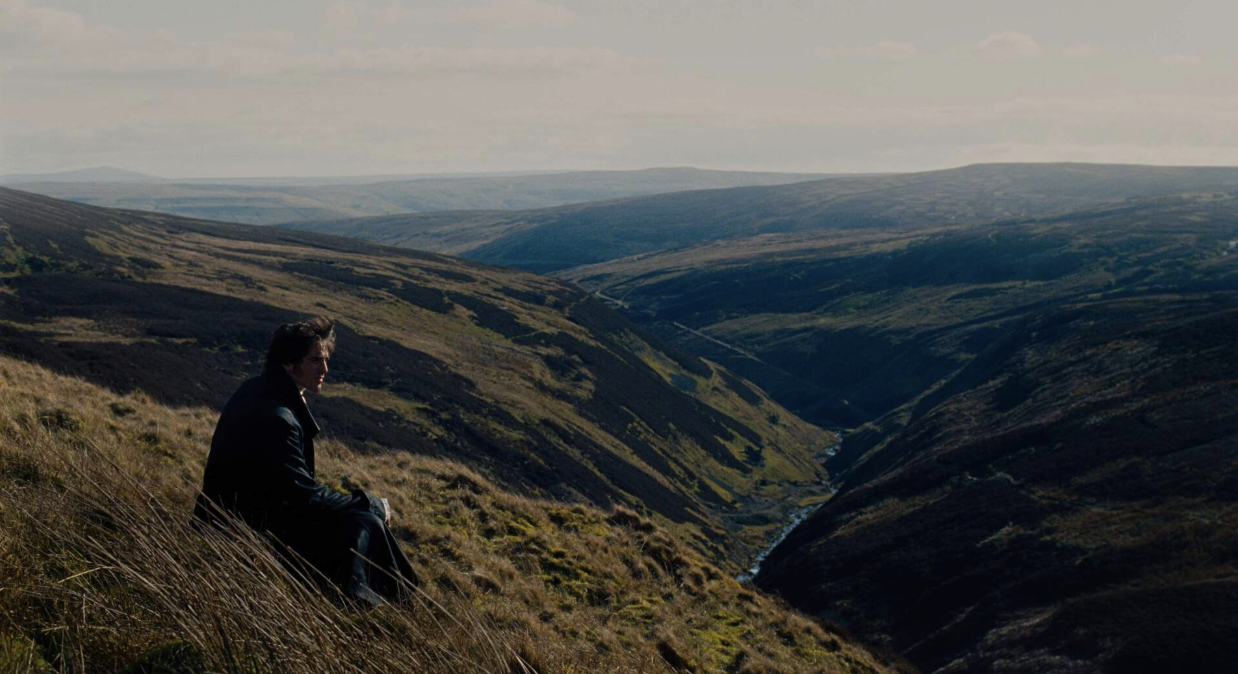
Bleak, daunting, obsessive, and thematically depressing. There aren’t many novels as tonally specific as Emily Brontë’s Wuthering Heights. So, when over 35 film and television productions have articulated the story, it is surprising to see that said adaptations have all characterized the classic with a similar score. More specifically, they use orchestral and haunting audio to reflect the novel's ponderings.
The film is typically a hard watch, though, and the music only amplifies it. Even I, as a film enthusiast, have a hard time wrapping my head around enjoying a film that is so profoundly sad, gothic, and abusive. A film that deals with social class imbalances, obsessive and destructive love, intense desire for revenge, and moral decay has recently been portrayed again by Gen-Z heartthrobs: Jacob Elordi and Margot Robbie.
But what brought the most shock was that the Gen-Z taste palette did not end with the actors. ‘#365PartyGirl #BumpingThat #BratSummer’ were the zeitgeist of the internet when it was announced that Charli XCX (the creator of these trends, and the album BRAT that it originates from) would single-handedly produce the soundtrack for the 2026 Wuthering Heights. To say the least, the internet was confused.
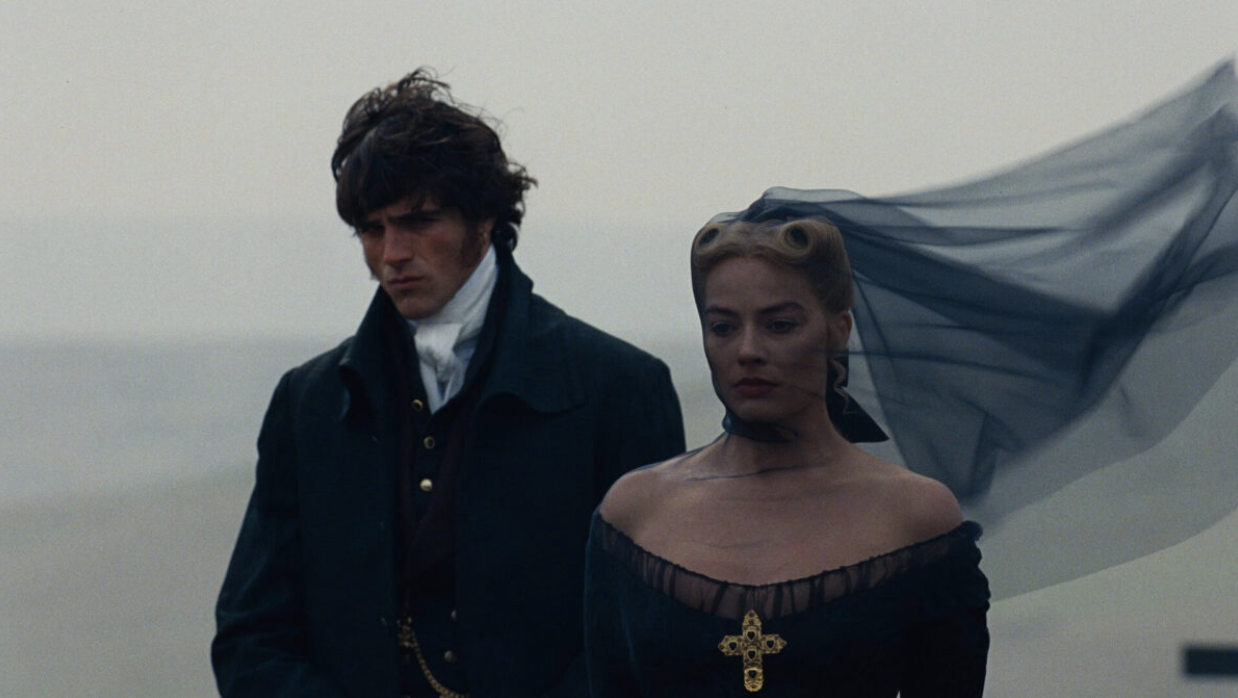
Margot Robbie and Jacob Elordi in Wuthering Heighter (2026), Credit: Warner Brothers
You know what doesn’t really scream Emily Brontë’s Yorkshire moors to me? Probably an internet-age experimental hyperpop holy grail in the underground London rave scene. Violins, organs, cellos; these are the expected sounds, not emotionally chaotic beat drops and club-jeerers. Said expectation, to no surprise, caused quite the extreme backlash, given XCX’s lack of seeming familiarity within this genre.
At the surface level, this criticism makes entirely sense. Wuthering Heights is the plain opposite of the aesthetics Charli XCX brings to the table. But (brace for my opinion), after a plethora of conventional preceding films adhering to the status quo, Charli XCX’s soundtrack offers a breath of fresh air. There’s an unspoken rule that the music used in period pieces should aim for authenticity. For this reason, so many modern literary adaptations end up sounding eerily similar. Soundtracks can lack originality, and they blend into the background noise of film, where watchers never really pay attention.
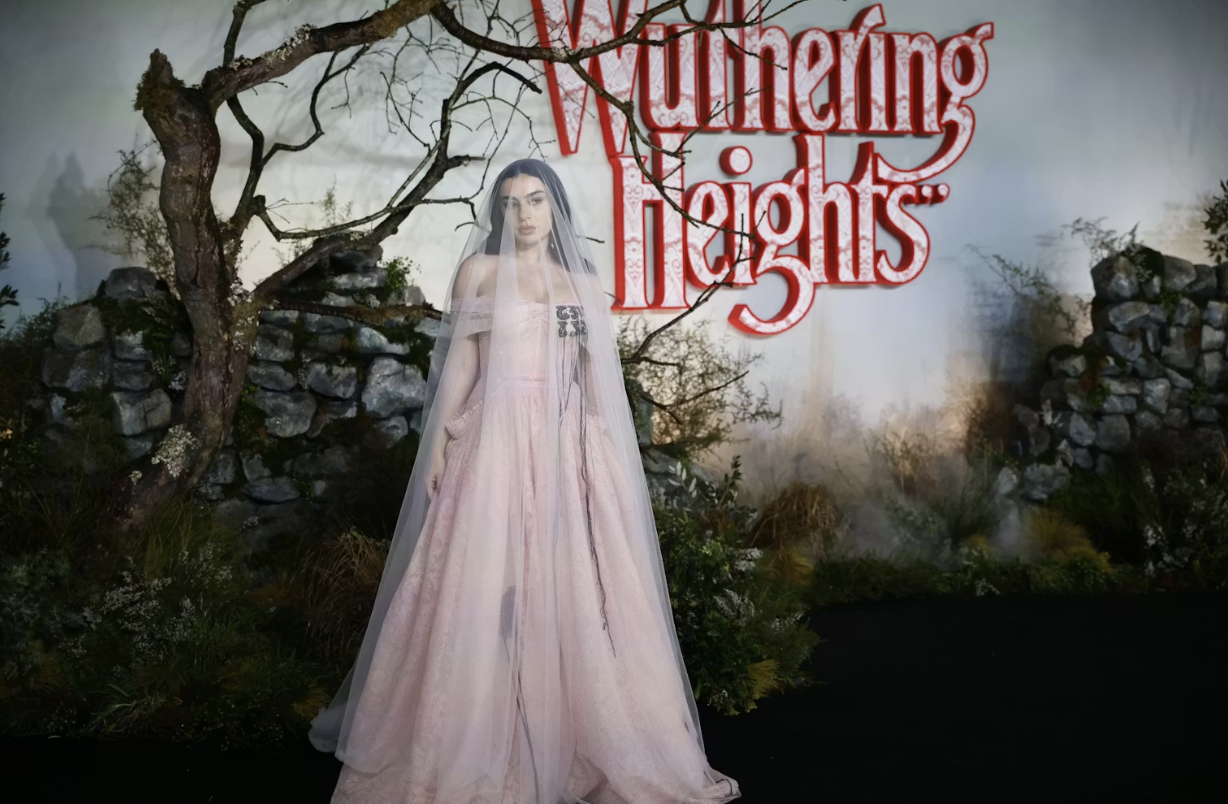
Charli XCX at the Premiere of Wuthering Heights, Credit: Tolga Akmen
Wuthering Heights, as a novel, though, has never been boring enough to deserve a “safe” score. The extreme emotions of the protagonists, Catherine and Heathcliff, are representative of the ways in which love consumes each other. If anything, I would argue that a traditional score would undermine the chaotic and intense nature of this story rather than improving or capturing it. So, choosing Charli XCX was a more conscious choice than it may seem.
Her original soundtrack for the film practically took the internet by storm. My personal favorites, “House,” “Chains of Love,” and “Dying for You,” are loud and abrasive, but upon watching the film, they feel perfectly embedded in the story itself. I mean, it’s not the first time a shocking score choice has won over the general public. In Baz Luhrmann’s 2013 adaptation of The Great Gatsby, for example, a modern hip-hop and pop score is used to bridge the gap between 1920s jazz culture and modern audiences.
In that sense, the real question is not if the score fits the time period, but if it evokes the correct emotions in its audience. For younger audiences, Charli XCX has sparked significant engagement and curiosity in Brontë’s classic literature, beginning with compiling over 1.6 million video creations and over 5.6 billion total views centered on the album. Hyperpop is familiar because it embodies online spaces, overstimulation, and sincerity contrasted with irony. Pairing these themes with canonical texts like Wuthering Heights bridges the distance that makes classics feel inaccessible.
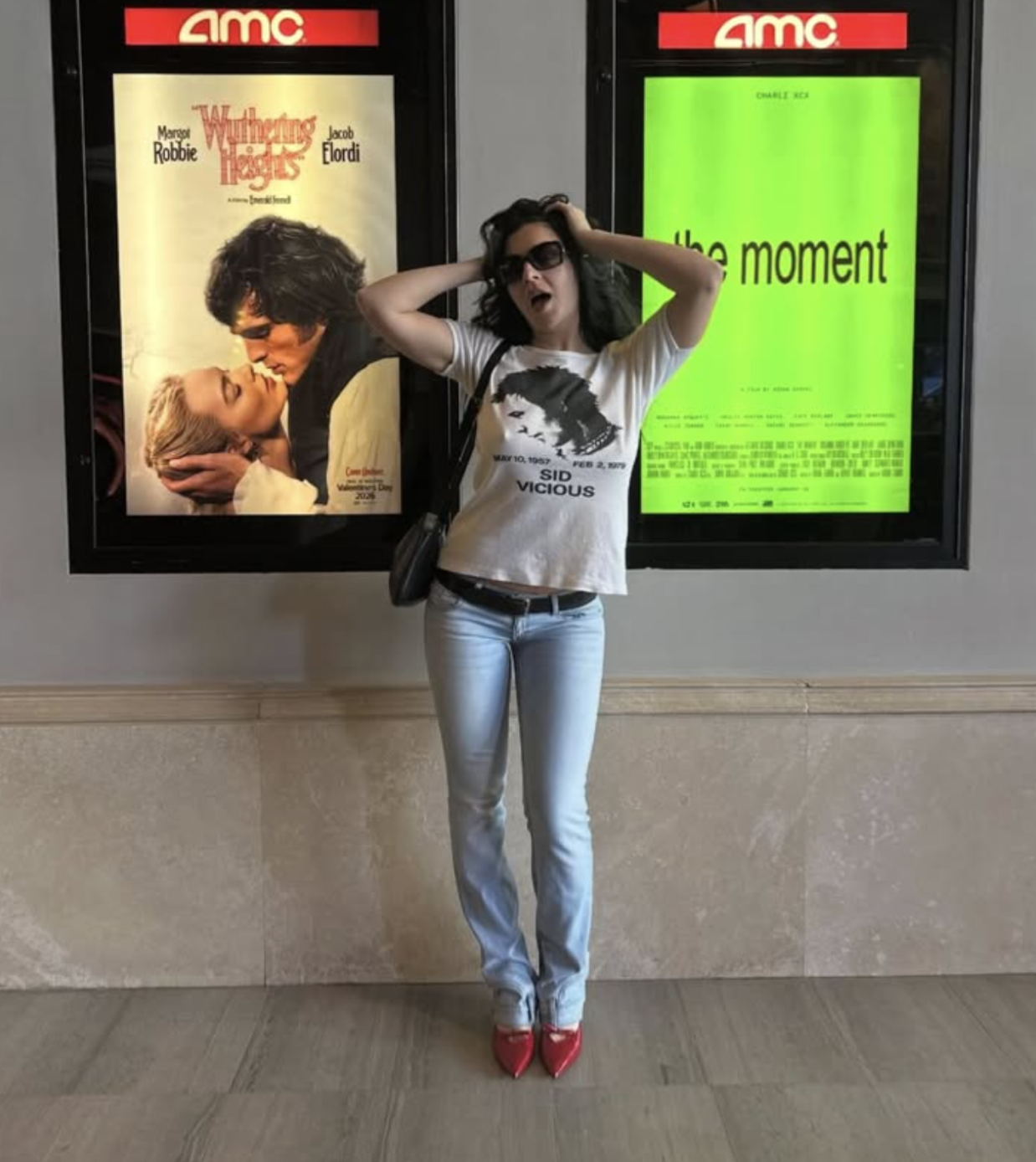
Charli XCX at the Opening Day of Wuthering Heights, shared on her TikTok Platform
Of course, this accessibility doesn't necessarily mean the score works automatically. There is a stark difference between tonal mismatch and clever reinterpretation. A great soundtrack, however experimental, must be in line with the pacing, performances, and visual tone of the film. Many would claim that the hyperpop influence of the soundtrack overwhelms the Moorish, quiet atmosphere that makes Wither Heights what it is. The story is traditional, so should the score reflect this? Plating it safe would be smart, but it would risk irrelevance.
The BRAT-internet may have had less opportunity to leave their online worlds to step outside of their houses, go to the cinema, and watch the film adaptation of a profound literary work, had it not been for a revival of the longed-for “Brat Summer.” Emerald Fennell’s adaptation was never meant to be historically accurate, and this becomes all the clearer when focusing on the fashion, architecture, and screenplay. So, is the Wuthering Heights soundtrack plain terrible? It depends on how you want the film to perform at the Box Office.
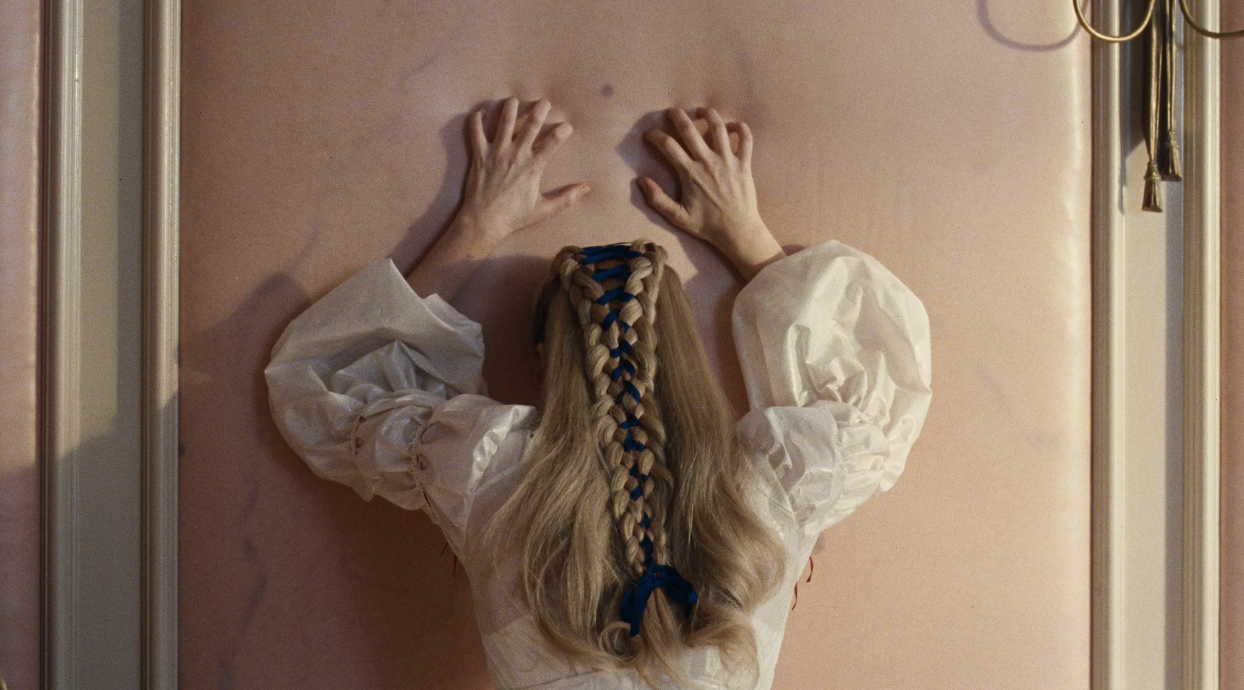
Margot Robbie in Wuthering Heights: Credit, Warner Brothers
If you’re a preservationist who wants cinema to remain as close to the original as possible, then yes. This bold choice will feel wrong to you. But if you believe in the idea that adaptations are about translating stories to newer audiences and working to find new ways to express old emotions, then this unexpected choice will be exactly the point.
I would go so far as to claim that Charli XCX captures the novel’s core: obsession, instability, and love that is far from quiet. Wuthering Heights is set on the wild, isolated Yorkshire Moors in Northern England, between the late 18th and early 19th centuries, but if modern music can allow for the same, complex themes to be explored, why did we expect the 35-something film adaptation of the same story to sound the same at all?