Joni Mitchell, Phoebe Bridgers, and the evolution of the confessional songwriter
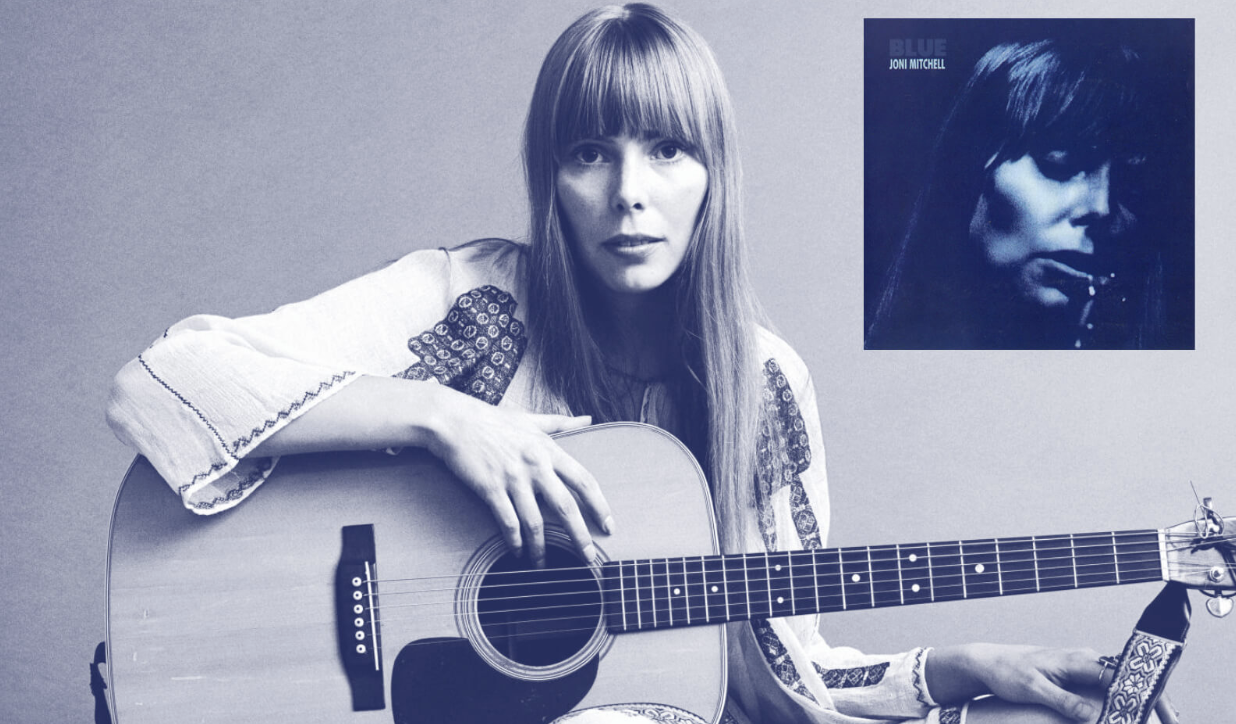
Joni Mitchell during the “Blue” era, 1971 (Credit: Getty Images)
The idea of the singer-songwriter as we know it today–someone who writes, performs, and produces profoundly personal music–didn’t always exist in its current form. For much of popular music history, songwriting and performance were separate jobs. Songs were written to be performed by others, and the commercial identity of the writer wasn’t essential to how the music was received.
In the mid-20th century, this dissonance was evident in places like professional songwriting hubs where teams of writers produced songs for mainstream artists. At the same time, folk and blues traditions were taking place outside of that traditional atmosphere, with performers writing and singing material that was often based on intimate personal experience, storytelling, or social conditions.
The shift towards the modern singer-songwriter really became visible in the late 1960s. The Vietnam War period is often described as a turning point where popular music became more ideological as the folk revival came to fruition and music became tied to political unrest, youth movements, and authenticity. Artists like Joan Baez, Paul Simon, Van Morrison, and Bob Dylan challenged the formulaic notions of commercial pop and made audiences more receptive to songs that sounded idiosyncratic.
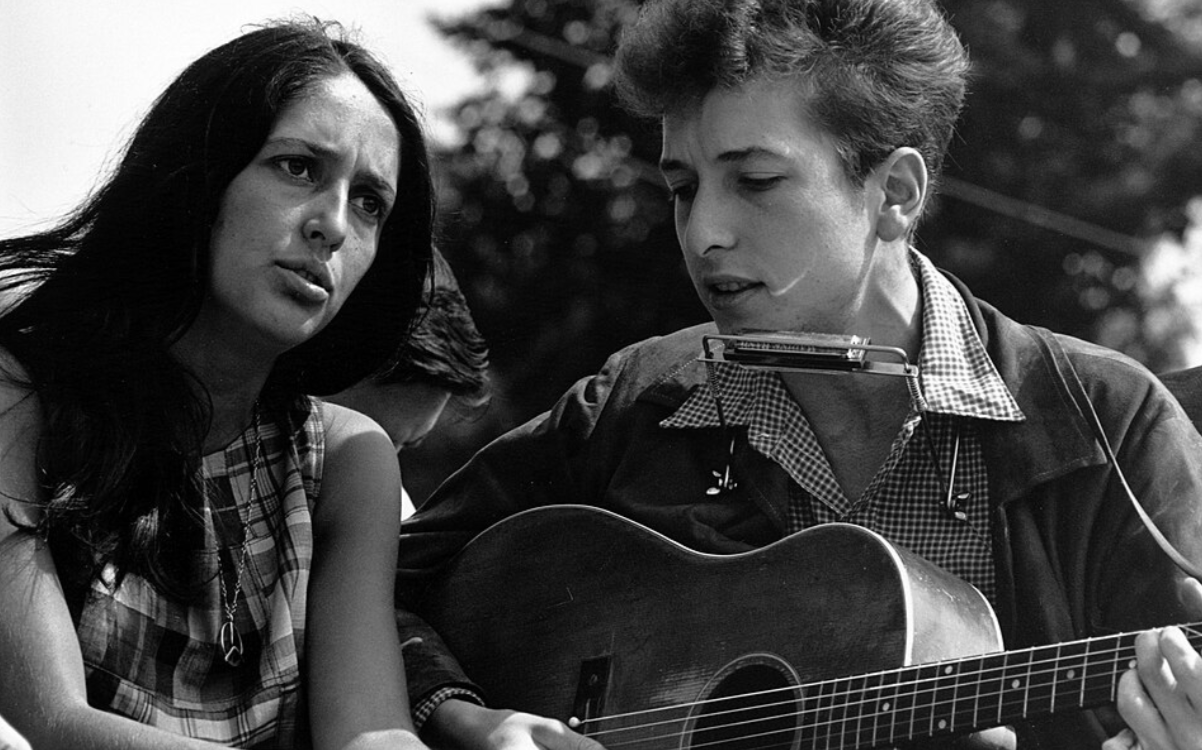
Joan Baez and Bob Dylan during the 1960s folk revival. (Credit: Rowland Scherman)
By the 1970s, the poetic verse associated with outward political energy looked inward. The singer-songwriter movement entered its “confessional” peak, with artists like Joni Mitchell, Carole King, and Leonard Cohen focusing on individual emotional experience. The musical spheres of these decades share the same idea of acoustic arrangements and autobiographical lyrics that established the expectation that music could be a direct expression of their individual life.
By the 80s, popular music went a different direction in the mainstream, with dance-pop production becoming more polished and performance often taking priority over lyrical authorship. However, the singer-songwriter tradition continued alongside it in smaller, more alternative atmospheres, with artists such as Tracy Chapman and Bruce Springsteen.
In the 90s, the synth-heavy music of the decade prior got left behind. This became especially apparent in grunge, indie, and lo-fi music, where minimal production and emotional honesty were often preferred over studio refinement. Elliott Smith, Fiona Apple, and Jeff Buckley are often associated with this “MTV Unplugged” era. Albums like Smith’s “Either/Or, Apple’s Tidal” and Buckley’s “Grace” mirror a bigger shift in alternative music toward vulnerability and raw songwriting, emphasizing the complexities of the human condition that audiences can identify with.
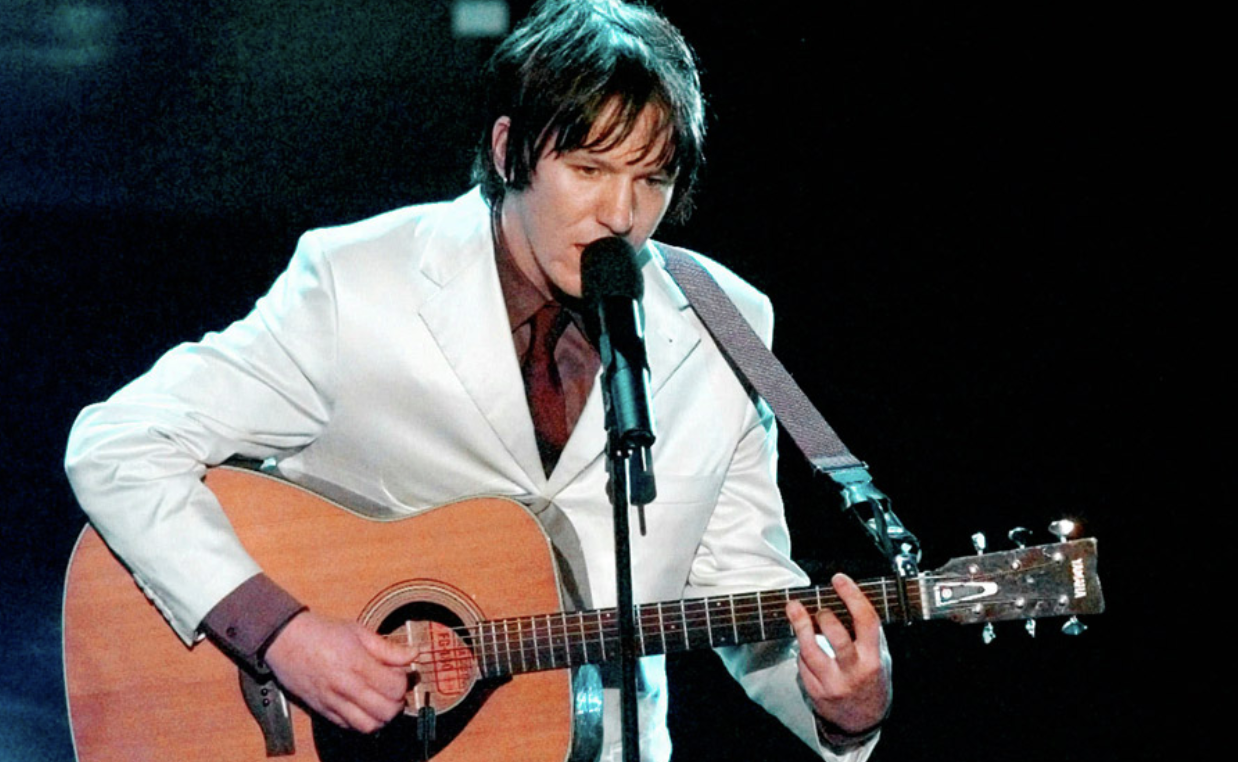
Elliott Smith performing his Oscar-nominated song “Miss Misery” at the 1998 Academy Awards. (Credit: YouTube)
In the 2000s and 2010s, technology significantly affected how singer-songwriters worked. Affordable software and home studio setups made it possible for artists to write, record, and release music independently, without relying on traditional studios. This led to what is referred to as the “bedroom pop” era of music. Artists like Alex G and Clairo emerged in this context, where early recordings were often shared online before being formally signed and produced.
At the same time, indie folk reappeared through the Americana and folk-pop scenes, where introspective artists like Sunjan Stevens, Bon Iver, and Mumford & Sons brought acoustic instrumentation back into mainstream alternative music. The periods that take part in the ever-changing format of the singer-songwriter show the bridge between newer, internet-based music culture, modern production, and the seemingly nostalgic desire for vulnerability in songwriting.
Phoebe Bridgers and Noah Kahan are examples of contemporary artists who take part in this framework. Their songwriting uses conversational language that fits easily into our newer digital environment, where lyrics are frequently shared, reposted, and interpreted in different ways.
Mitski and Adrianne Lenker, both in her solo work and with Big Thief, represent different directions the singer-songwriter genre has taken in the modern era. Lenker’s songs, particularly on albums like Songs (2020) and Two Hands (2019), abandon strict songwriting structures in favor of journalistic imagery and fragmentation. Mitski combines extremely emotional lyricism with theatrical perspectives in songs like “First Love / Late Spring.” Each of these artists shows how modern singer-songwriters maintain emotional intimacy while experimenting with persona and structure.
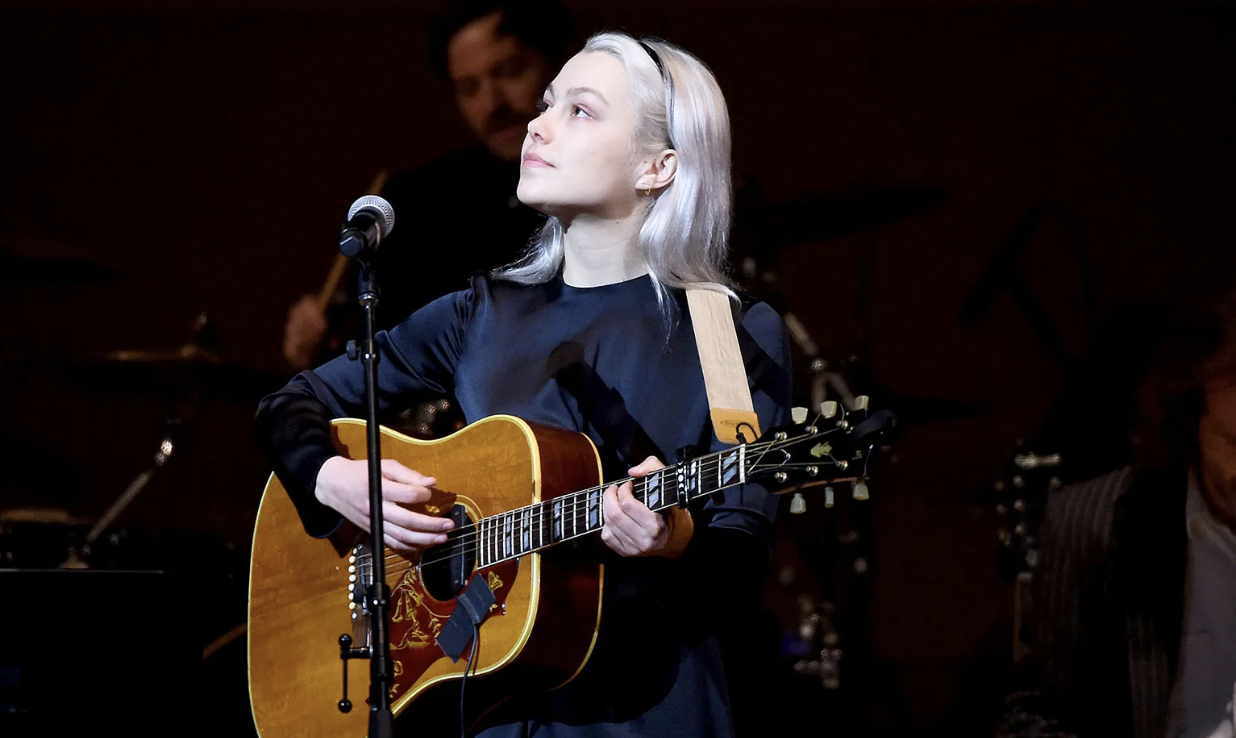
Phoebe Bridgers performing in New York City in 2020. (Credit: Getty Images)
As time passes, the role of the singer-songwriter has become increasingly self-contained. Earlier decades often separated performance, production, and writing; many modern artists now handle all three roles themselves, without particularly favoring one over the other. Listeners now witness and often expect a direct connection between the songwriter and the emotional content of the song, changing how music is made.