The Return of Indie Sleaze and the Power of Nostalgia
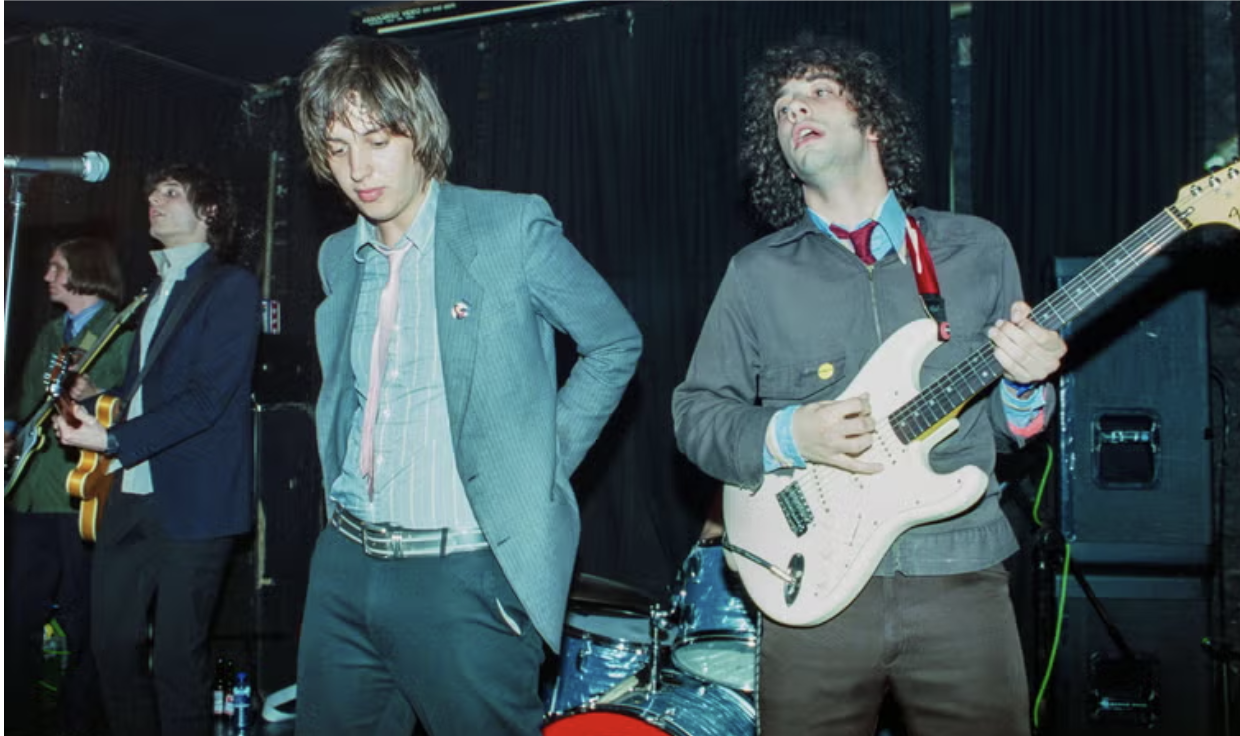
The band, The Strokes, live in the 2000s, Credit: Alamy
Indie sleaze is back, and this time, people actually know what to call it. What used to just feel like a messy overlap of music, nightlife, and internet culture is now being recognized as something worth revisiting.
The original movement came together in the late 2000s and early 2010s. This era was when angular indie rock, electro-pop, and post-punk all blurred into the same scene. Bands like MGMT, The Strokes, Arctic Monkeys, and Crystal Castles didn’t necessarily sound alike, but they resided in the same hedonistic space. Their music felt immediate without sounding overproduced, while carrying that upbeat swagger into everything around it; recordings and small shows felt unpolished and gritty in a way that matched how those shows, and scenes, were being documented at the time.
What made this ‘indie’ era stick was how cohesive everything felt. The same songs, the same artists, and the same blurry photos were all shared in the same places: early Tumblr pages, MySpace profiles, and low-quality digital cameras. It created a specific atmosphere that younger generations now recognize instantly, even if they weren't there for it the first time.

Amy Winehouse, a fashion and music icon of the indie sleaze era, Credit: Getty Images
Like most popular internet trends now popular among younger individuals, social media is where nostalgia comes in—clad with Isabel Marants and a seemingly pejorative name. The current revival, embedded in a “brat summer,” seems focused on recreating a feeling that people associate with that period: mirroring the malleable desire to defy the broader cultural ethos of today. Contemporary artists like Snow Strippers, The Dare, Royel Otis, and 2hollis lean into that sense of flummoxed effortlessness, both musically and visually.
At the same time, older bands are being pulled back into focus. The Strokes, Interpol and LCD Soundsystem remain obvious reference points, constantly corroborated as central to understanding what this revival is drawing from. Their music has become a kind of baseline for newer artists trying to capture that same balance between detached coolness and danceable production.
Beyond indie sleaze itself, there’s also been a wider return to guitar-driven music over the last few years that connects to this nostalgia. Increasingly popular bands like Geese reflect that shift, bringing back a focus on live instrumentation and spontaneous production into mainstream alternative music. At the same time, shoegaze has resurfaced heavily online, with younger listeners rediscovering that dense, distorted sound through bands like My Bloody Valentine and Slowdive.
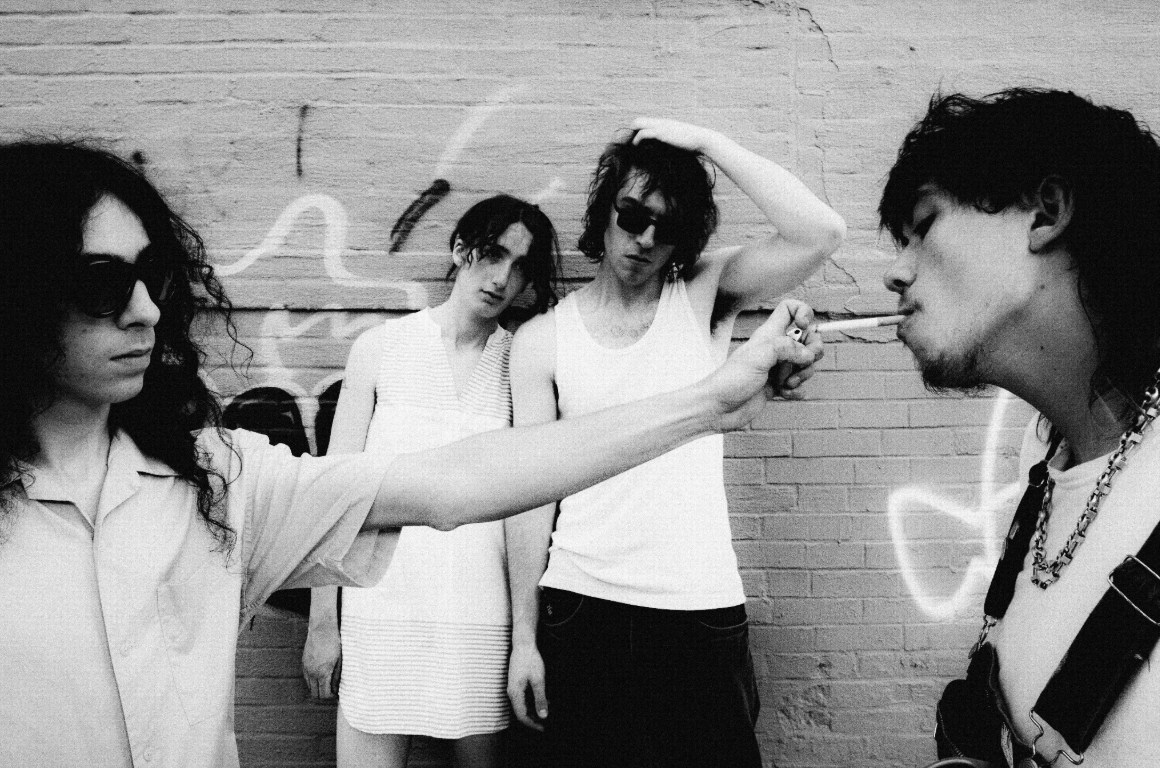
Geese, part of the new guitar-driven, indie sleaze wave, Credit: Lewis Evans
Even the second-wave emo revival fits into this larger pattern. Bands influenced by American Football and Modern Baseball are bringing back softer, more emotional guitar music through DIY scenes and online communities. A lot of newer bands are pulling directly from that sound that defined the late ‘90s and early 2000s. While the movements themselves differ, they share the same reliance on rediscovering older sounds and reintroducing them to a new audience.
Part of why these revivals keep landing is likely due to the growing sentiment that current music culture often feels excessively mediated. Streaming algorithms, hyper-curated online identities, and the pressure to aestheticize every experience have created an environment where even spontaneity can feel performative. In contrast, indie sleaze— and the adjacent scenes currently resurging alongside it— are remembered for their apparent lack of refinement. They celebrate perfection in imperfection.
Still, what’s being revived is not necessarily the reality of the late noughties. The cramped venues, blurry flash photography, blog-era music discovery, and the feeling that local scenes still carried some sense of mystery have become romanticized in retrospect. Indie sleaze persists because it represents a moment before music culture became fully streamlined through constant visibility. Even if the revival itself now exists largely online, its appeal lies in the idea of something less curated and more immediate.