Inside the Coachella Moment That Sparked Bieber Debate
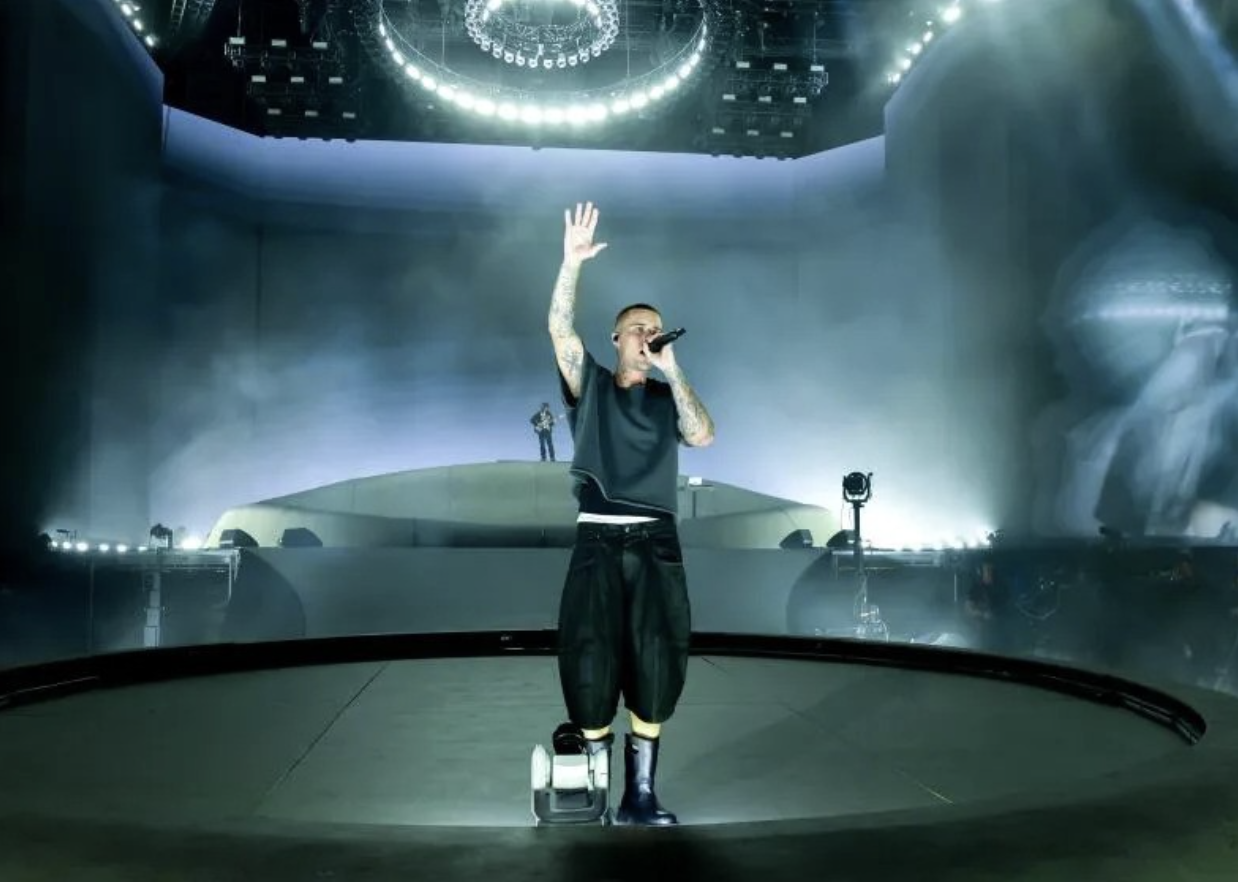
Justin Bieber performing at his Coachella 2026 Set, Popularly Known as Bieberchella on Social Media: Los Angeles Times
Every April, two weekends are reserved in the California desert for the iconic Coachella festival. This year’s festival lineup featured a range of major artists, including Sabrina Carpenter, The Strokes, Pink Pantheress, Addison Rae, and, the main conversation: Justin Bieber.
Earlier this year, Bieber Performed at the Grammys. But, before then, he had not performed since his cancelled tour back in 2022. That is, until he made his iconic Coachella debut this spring —or, Bieberchella, the name it has been popularly given on social media platforms.
Justin Bieber’s Coachella set was a high-energy performance that seamlessly blended his older sounds with his current music. However, a question arose within his fan base: why is there such an emphasis on his newer music? For context, back in 2023, Justin sold 100% of his publishing rights and artist royalties from his recordings. The $200 million deal gave up Bieber’s rights to all his 290 songs released before December 31, 2021, transferring ownership to the company formerly known as Hypnosis Song Catalog, now operating as Recognition Music Group.
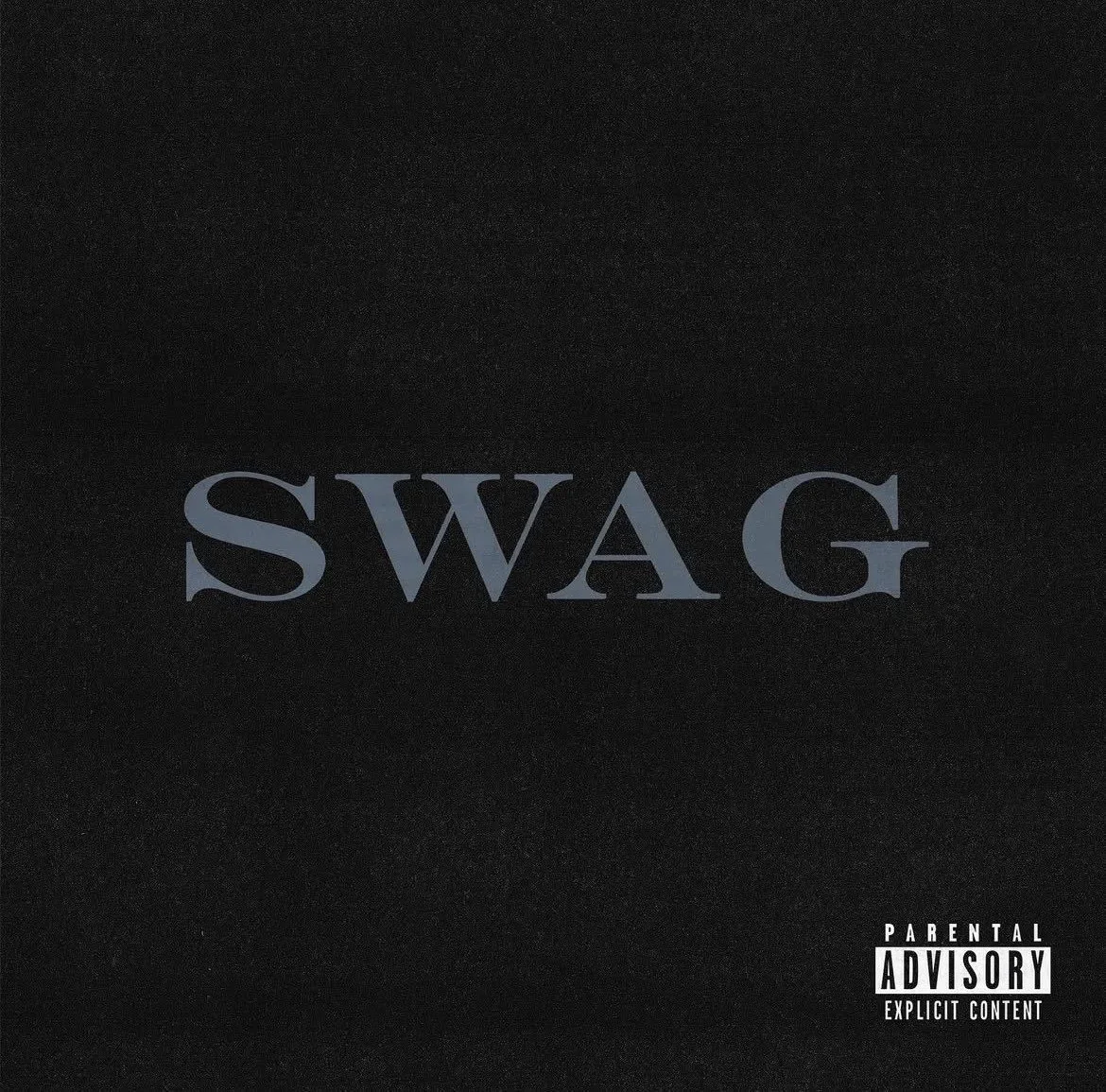
So when the majority of Bieber’s Coachella set was dedicated to playing songs from the 2025 album SWAG (which was not sold to the Recognition Group) and only highlighted his older songs by playing his old YouTube clips rather than singing live, confusion immediately surrounded the performance choice. Some even suggested that he was screensharing his older music on the projector as a result of not being able to play it on his own in full due to the publishing rights.
Photos from Justin Bieber’s Newest "‘SWAG’ era
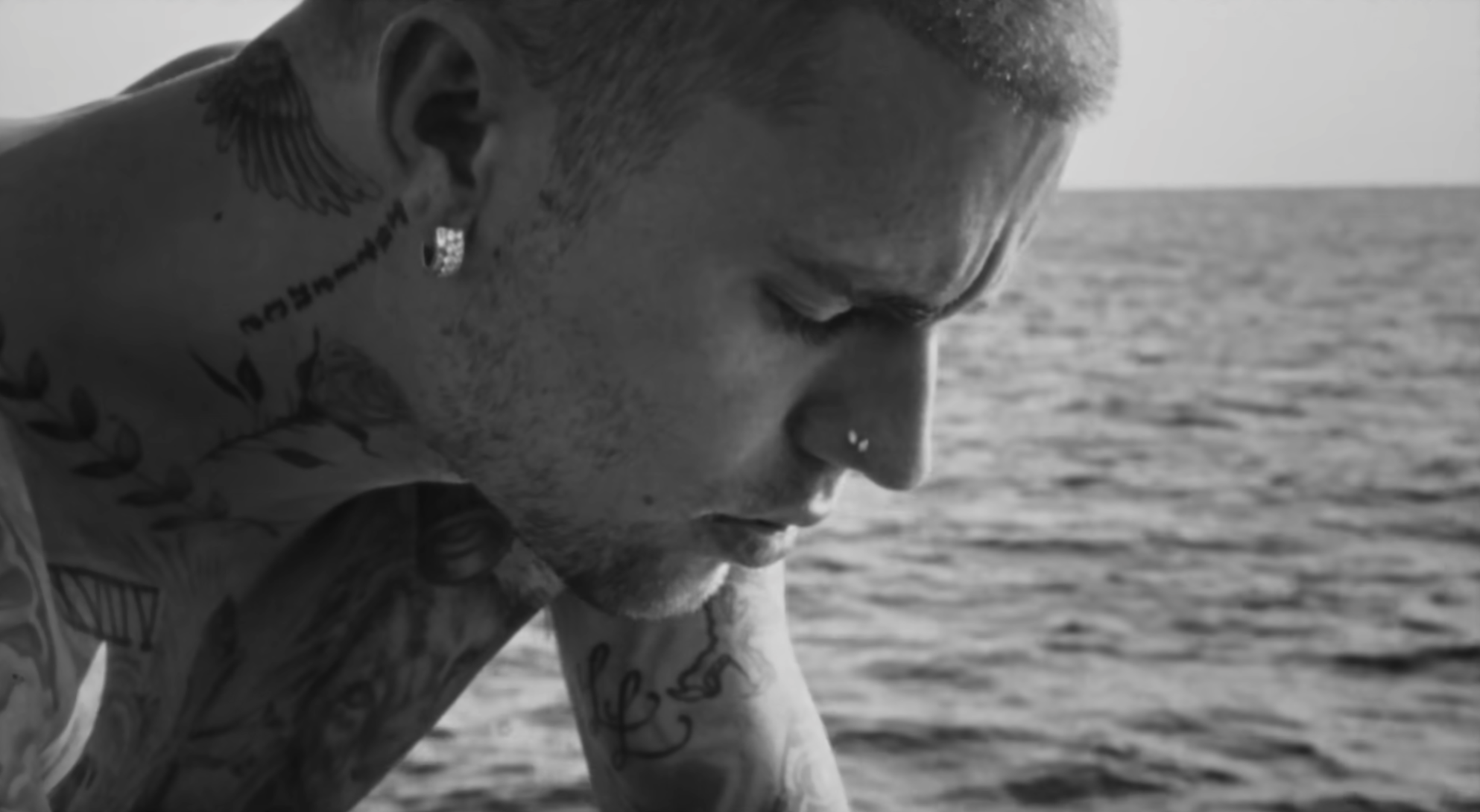
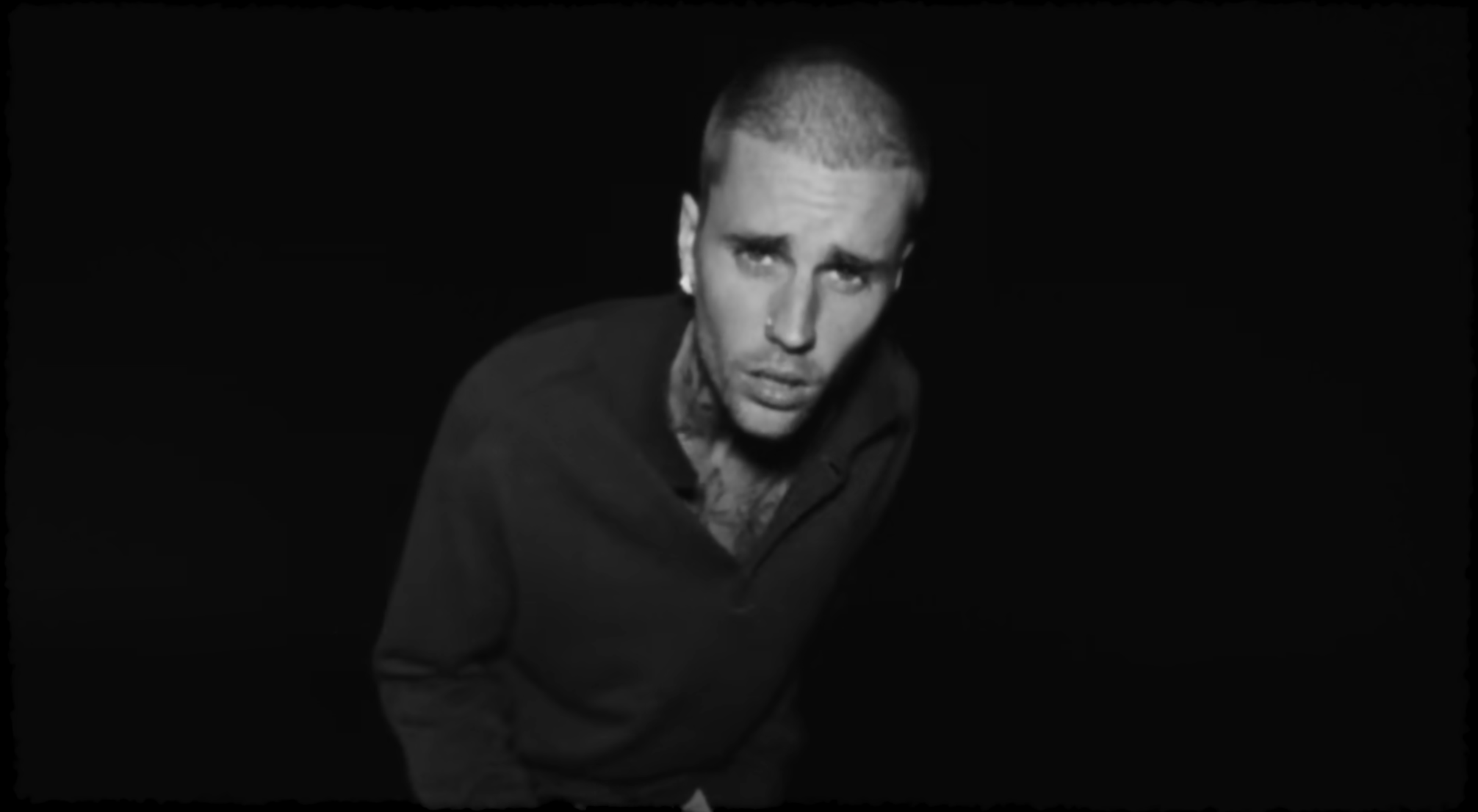
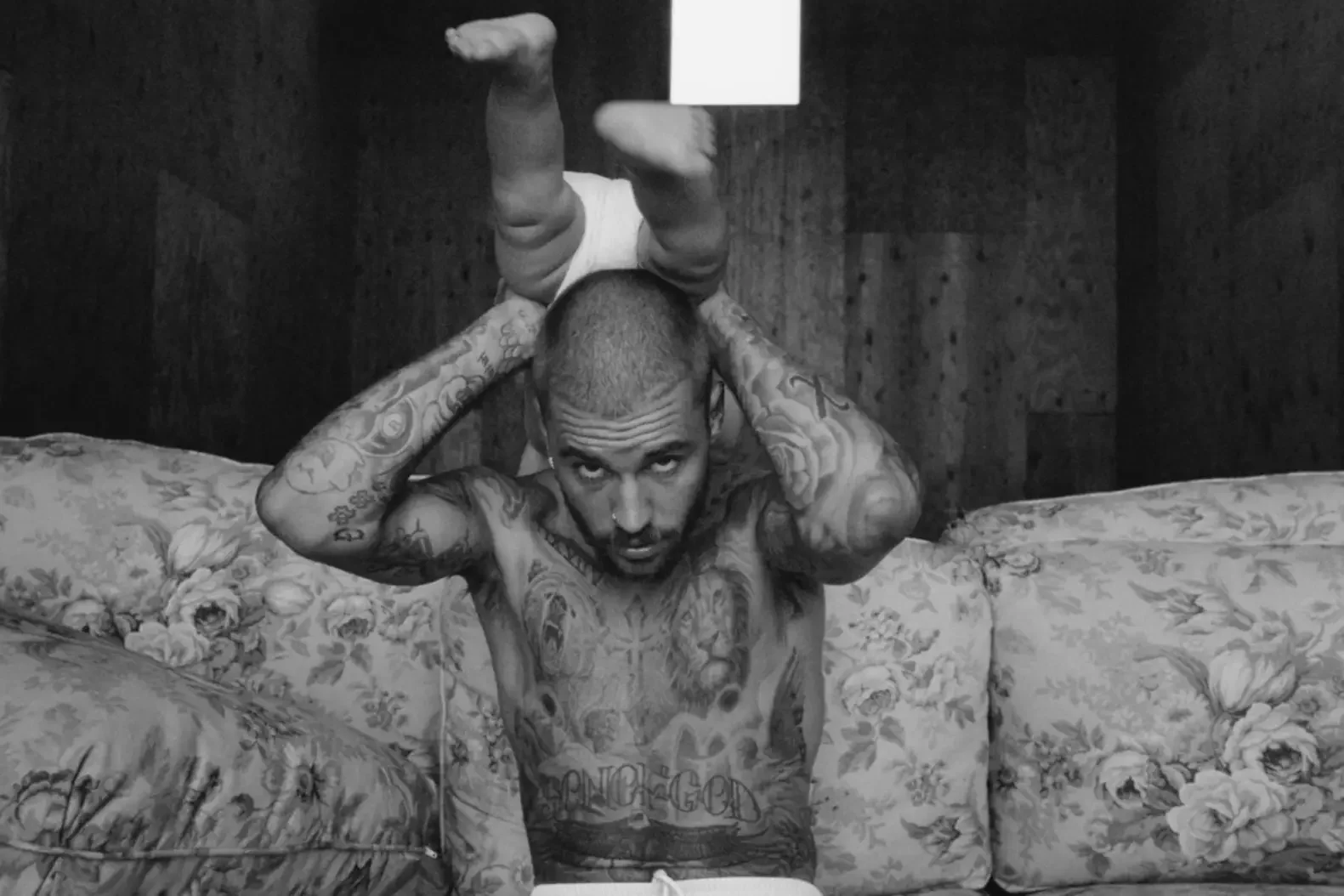
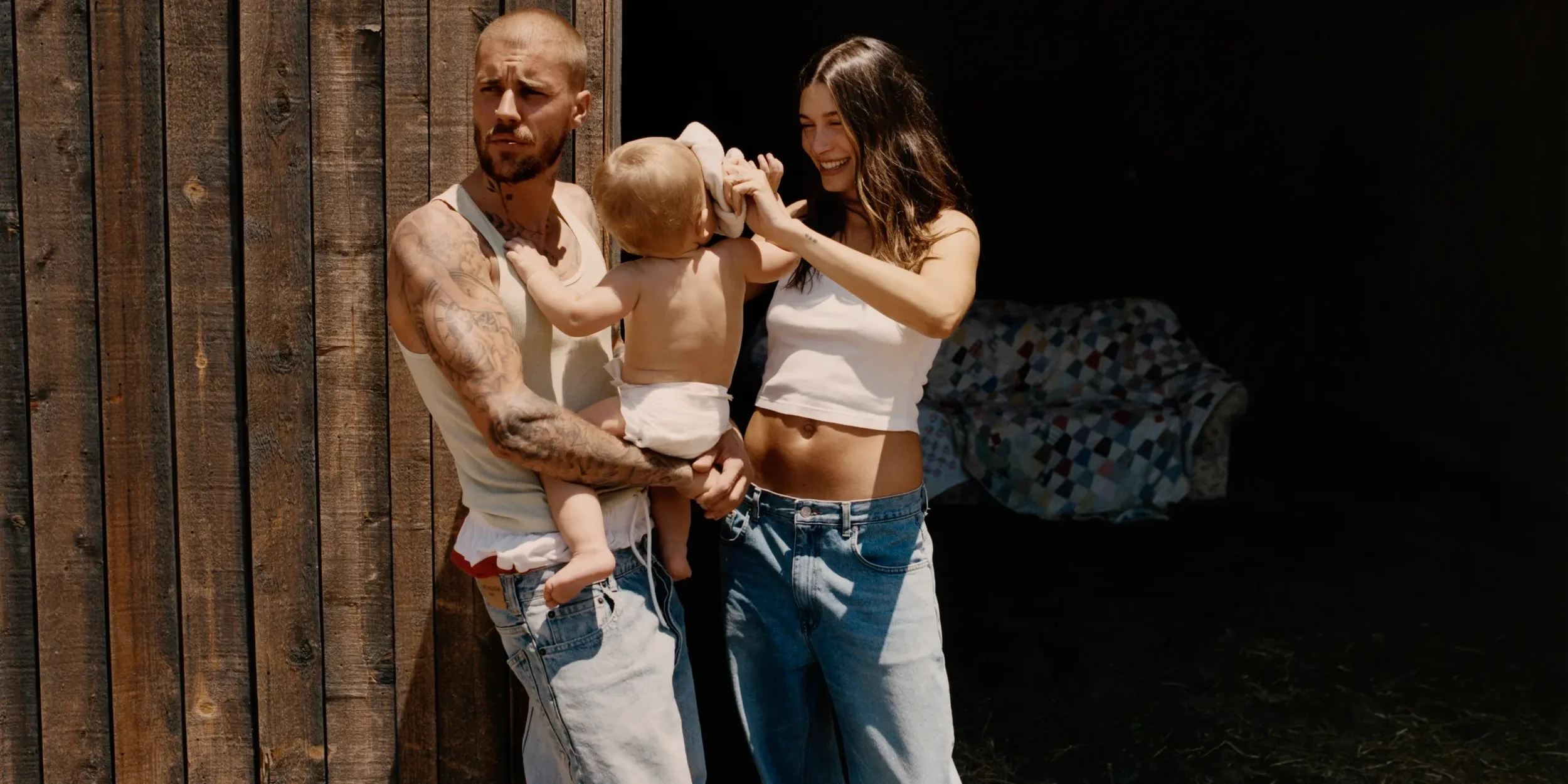
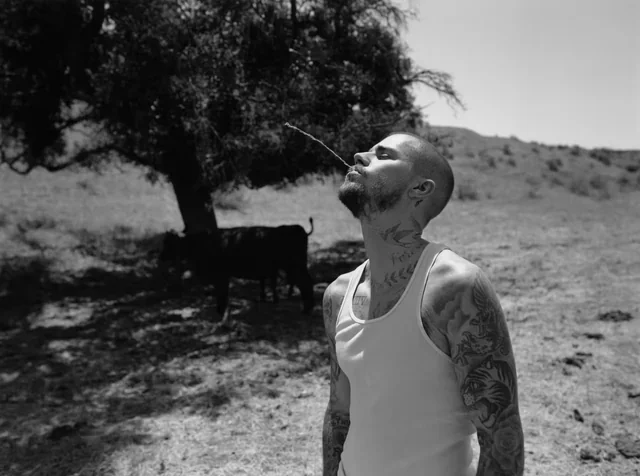
However, this is simply not true. The laptop and the YouTube videos Bieber used on the Coachella stage to surf through the internet were an artistic choice made by Bieber. In an interview with Billboard, a music industry source familiar with the terms of Bieber’s publishing rights reported that “there are no restrictions on what on what he can or can’t do in live performance.”
Despite ideas and theories that this was done because of copyright issues, the reality of this doesn’t hold much weight. It was purely a decision made to add flair to the set and engage the audience. Selling publishing rights doesn’t erase personal history, and it also doesn’t prevent an artist from engaging with their own work.
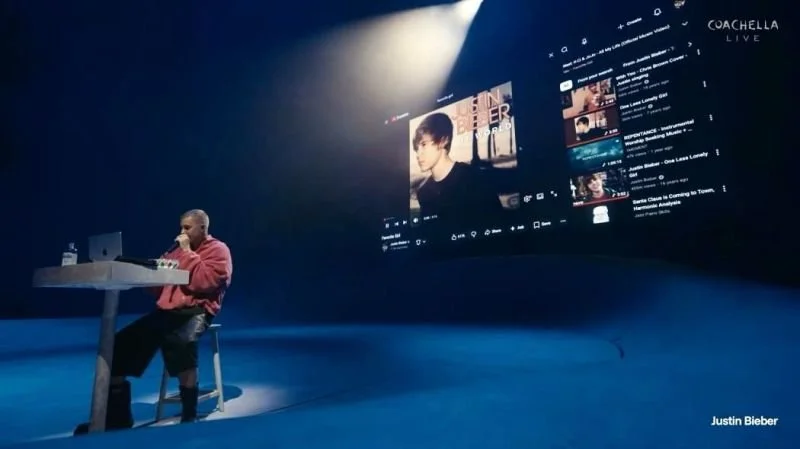
Justin Bieber scrolls through his old music and videos on the Coachella Headliner Stage: The Tab
U.S. copyright law states that to play a song live, you only need a public performance license. And, even to stream the music on a live stage, a performance license is required, further cementing the viral sensation as an artistic decision rather than a legal issue. Just like any artist can cover a song, Bieber was able to play these old songs live without seeking any permission from Recognition Music Group.
Instead of a legal territory, though, for many fans, the intimate moment with Bieber during his set read as nostalgia and a way to come full circle. It showed him revisiting his former artistry and reconnecting with his beginning.
In this instance, the moment was not about ownership; it was really about origin and how far Bieber and his fans have come on this wild journey. This is an important distinction, and one that can easily get lost when hitting the headlines and public conversation. While Bieber’s Coachella debut did not only provide entertainment, it can be understood as a precaution to always research rumors before jumping to conclusions.