Navigating the Algorithm: What Jelena Francis Learned About Music and Social Media
If there’s anything you should always invest in, it must be ideas, because the 17-year-old Jelena Francis’ exploration into the music industry through her Keychain Cassettes is more than the right mix between cool, practical, and friendly. Music has existed for decades on end, and today, Francis is working to add yet another way to physically collect your favorite pieces of musical art, expanding the industry beyond vinyls, cassettes, CDs, and posters.
To provide some background to the brand, Francis, who recently graduated from high school, discusses how an initial interest in media culture and the Netflix hit show Stranger Things led to a desire to create a business that caters to the show’s fans.
But what Francis didn’t realize at the start of her journey was that her desire to connect with cultural trends would extend far beyond the TV industry and land her footing into the music sector. Today, she’s an active social media personality and entrepreneur creating physical keychains that let you keep your favorite artist, album, song, or even playlist right in your pocket, wallet, or keys. The keychains are even infused with NFS tags that let the music pop up on your phone when in physical contact!
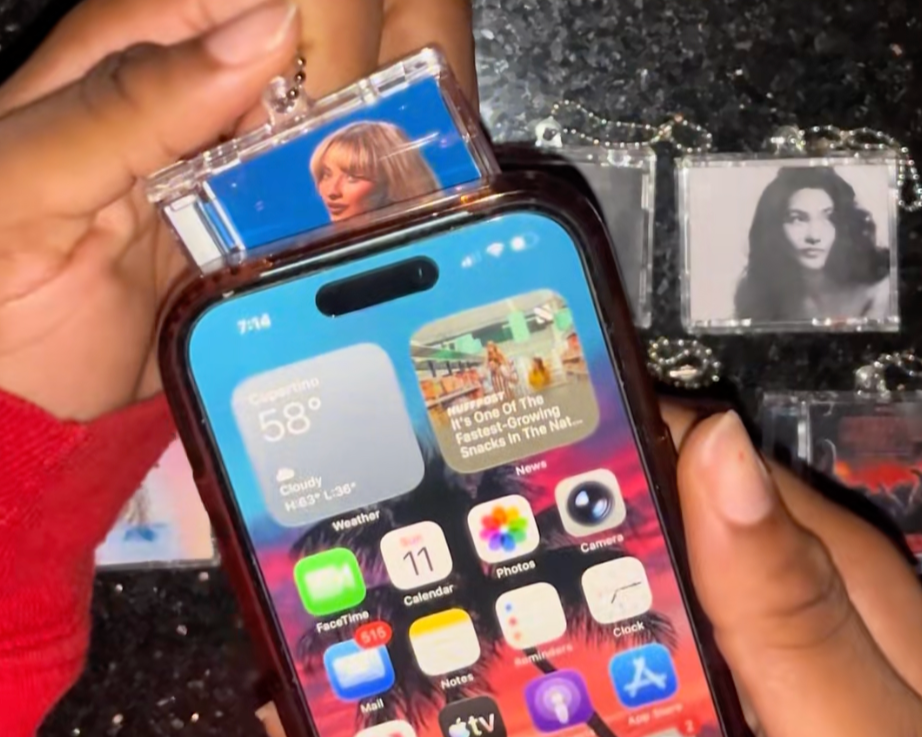
On her Tiktok,
Jelena shows how the keychains work. She uses popular artists to recieve wide recognition from viewers.
But, beyond my positive first impression of the product, I wanted to learn more: what efforts went into the product’s creation? What struggles come with online businesses? And, is the music industry a profitable sector?
On TikTok, I actively work towards creating a community where music is at the forefront and acts as a sanctuary for all those who are interested. So, naturally, Francis and her small business, TOTE-ally Me and I, crossed paths. The videos portraying the main product were vicarious and felt like more than a profitable gig. Who wouldn’t want to get their hands on it? To my surprise, though, I learned over the phone that the company had barely broken 10 sales at the time of contact.
For online business owners, a frequent challenge that seems to recur is a constant battle with social media algorithms and being able to find the right people to relate to your video, product, or personality. Even when using the social media platform (nearly breaking two billion users in 2026) as a means to contact more accessible singers and songwriters, finding customers can be out of the ordinary. As Francis shared, she thought that “more people would be into it.”
For anyone trying to grow a business related to music, this can be more than disheartening. And in an industry constantly making billions in profit, it creates confusion about why the business can be unfair to smaller stakeholders who are just as important in understanding the connections between artists and fans.
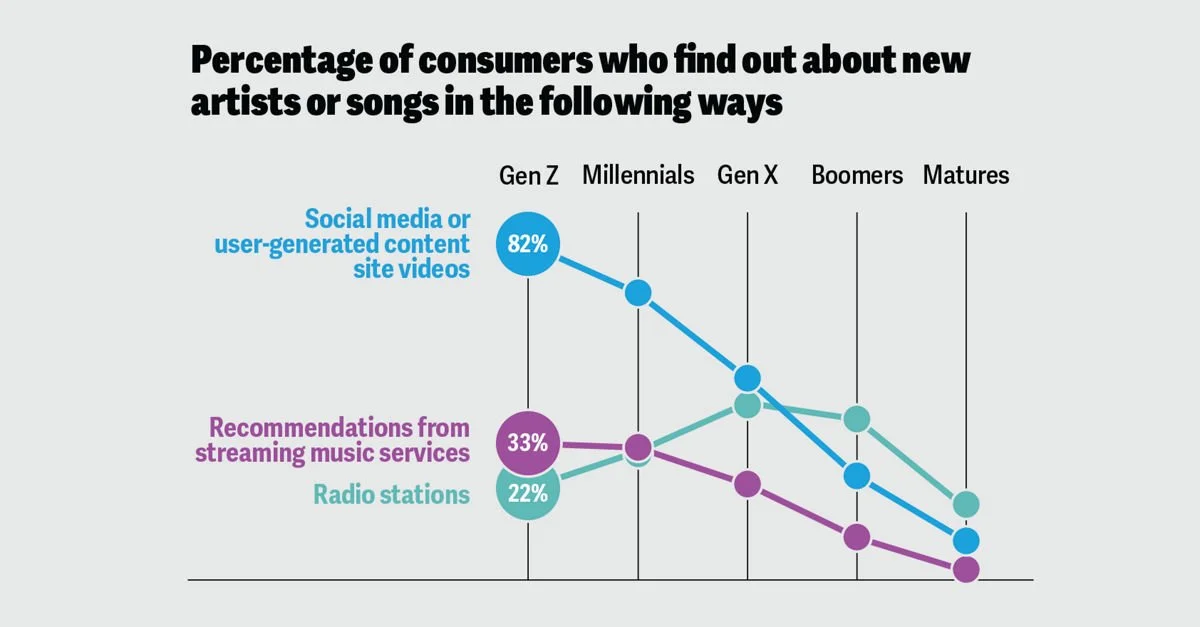
Deloitte’s research is shown above. Seemingly, music businesses are also discovered on social media
In today’s world, the music industry has become evidently co-dependent on understanding the algorithms and how to manipulate them to best provide artists with the best chances at success. Compared to 30 to 40 years ago, when music labels had enough power to just put an artist on MTV and make them mainstream, the art of personalized social media feeds is more than ever a real struggle that businesses and artists should take into consideration.
With hopes for expanding her business, Jelena provides a clear example of the realities of communicating with music lovers and how the modern music industry is so drastically different from the past.