You Can’t Kill Oasis: The Never-Ending Return of the Reunion Tour
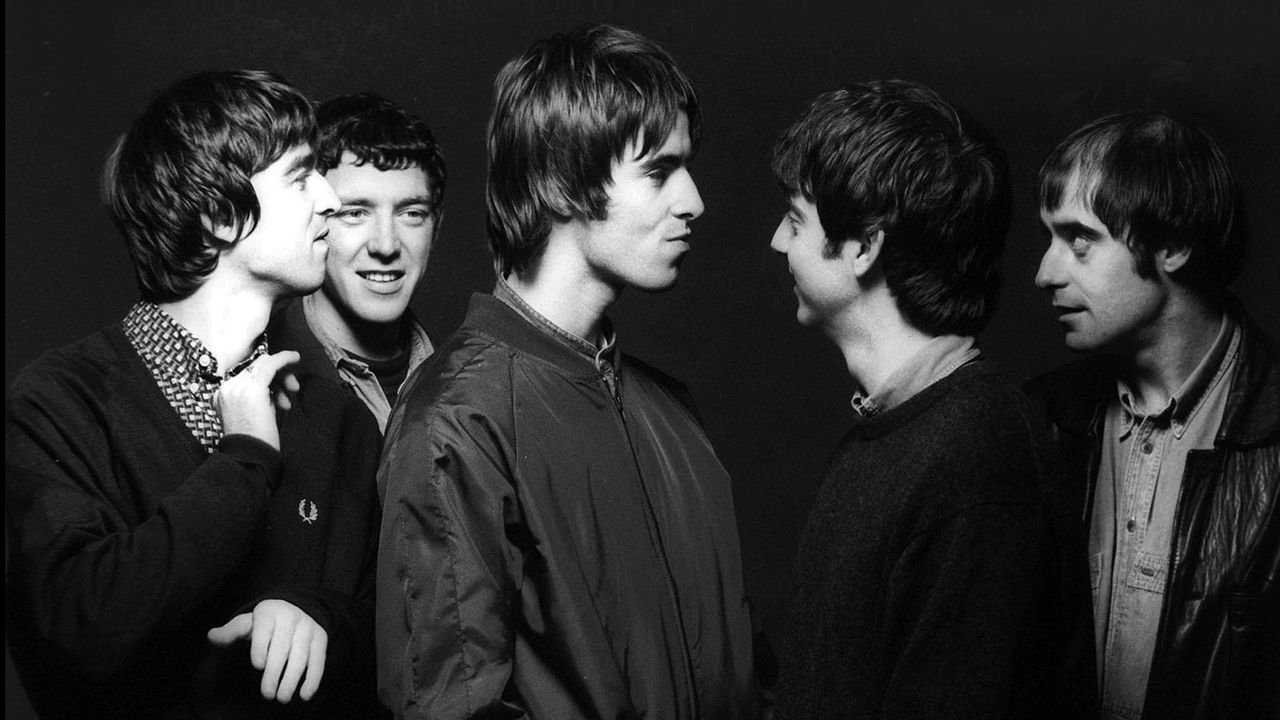
The Band Oasis: Credit Getty Images
Oasis have always had a strange relationship with the idea of being over.
They broke up in 2009 after years of Gallagher-brother warfare, and for a long time, that seemed like the end of it. Noel Gallagher went his own way, while Liam Gallagher went the other and formed Beady Eye. They each made music without the other end, and for the most part, seemed perfectly capable of reminding everyone why they had broken up in the first place.
Then, in 2024, Oasis announced that they were getting back together. The reaction was enormous as tickets disappeared and websites crashed. Prices became a news story of their own. Suddenly, Oasis were popping up everywhere again, despite having released no new album and spent 15 years being a band that existed entirely in the past tense. Oasis is one of the clearest examples of how reunion tours are now feeling less like exceptions and more like a normal part of a band’s career trajectory.
The appeal is semi-obvious. These bands already have an established fanbase that want to hear the songs they already love, played by the people who originally made them. There is something quite singular about hearing ‘Wonderwall’ or ‘Live Forever’ in a stadium with tens of thousands of other people who know every word. A concert like Oasis is not dependent on the band making new music, as their old songs have already done their job.
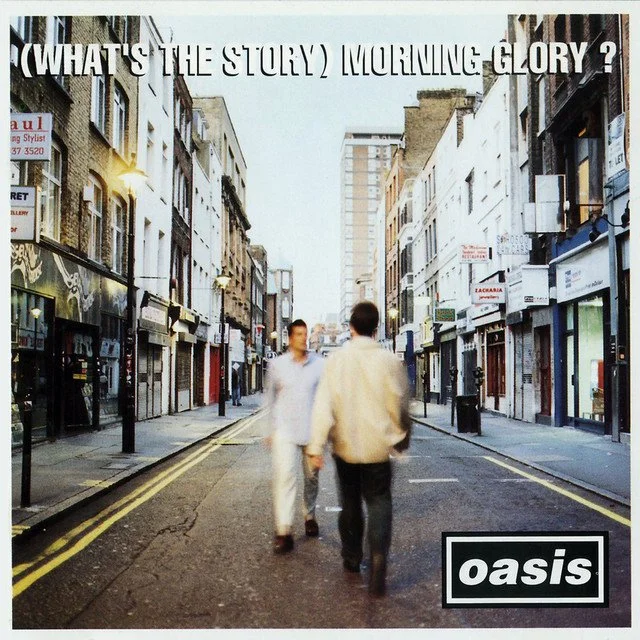
Oasis’ classic album “(What’s the Story) Morning Glory? featuring hit song “Wonderwall.” Credit: Oasis
This is especially prevalent with bands from the 1990s and 2000s. For the people who truly grew up with Oasis, Blur, or the Spice Girls, a reunion can be a way of revisiting a period of their lives. They give fans the opportunity to temporarily return to a version of music and a version of themselves that no longer exists. For younger fans, meanwhile, the appeal is different. They didn’t experience Britpop the first time around. They know it through old stories and a social media algorithm that seems to enjoy bringing back what's old. Seeing Oasis now gives them a chance to participate in this ‘rock mythology’ they missed the first time.
Multiple major artists have returned in recent years. My Chemical Romance reunited after years apart, No Doubt returned to the stage and The Cure still continued touring decades after their biggest albums. Blur reunited, split again, then reunited again. Even bands that seemed completely finished have found ‘finished’ to be rather flexible.
The music industry has good reasons to encourage this. Touring has become one of the biggest ways artists make money, especially when streaming has made individual recordings less valuable as direct sources of income. On top of this, a reunion tour comes with already famous songs and an already convinced audience. There is also something captivating about the fact that reunions are supposed to be temporary. A band that tours constantly can start to feel ordinary, while a band that has been gone for years can easily sell the idea that this is your one chance.
Oasis are especially good at this because their entire history is marked by the Gallagher brothers’ tumultuous relationship. The tension between Liam and Noel has always been part of the band’s story, even during their reunion. Even people who couldn't name an Oasis album could probably tell you that the brothers hated each other. There is a slightly ridiculous quality to the whole thing. A band spends years insisting they will never reunite, just to announce a stadium tour 10 years later. Maybe that's what makes reunion tours so successful.
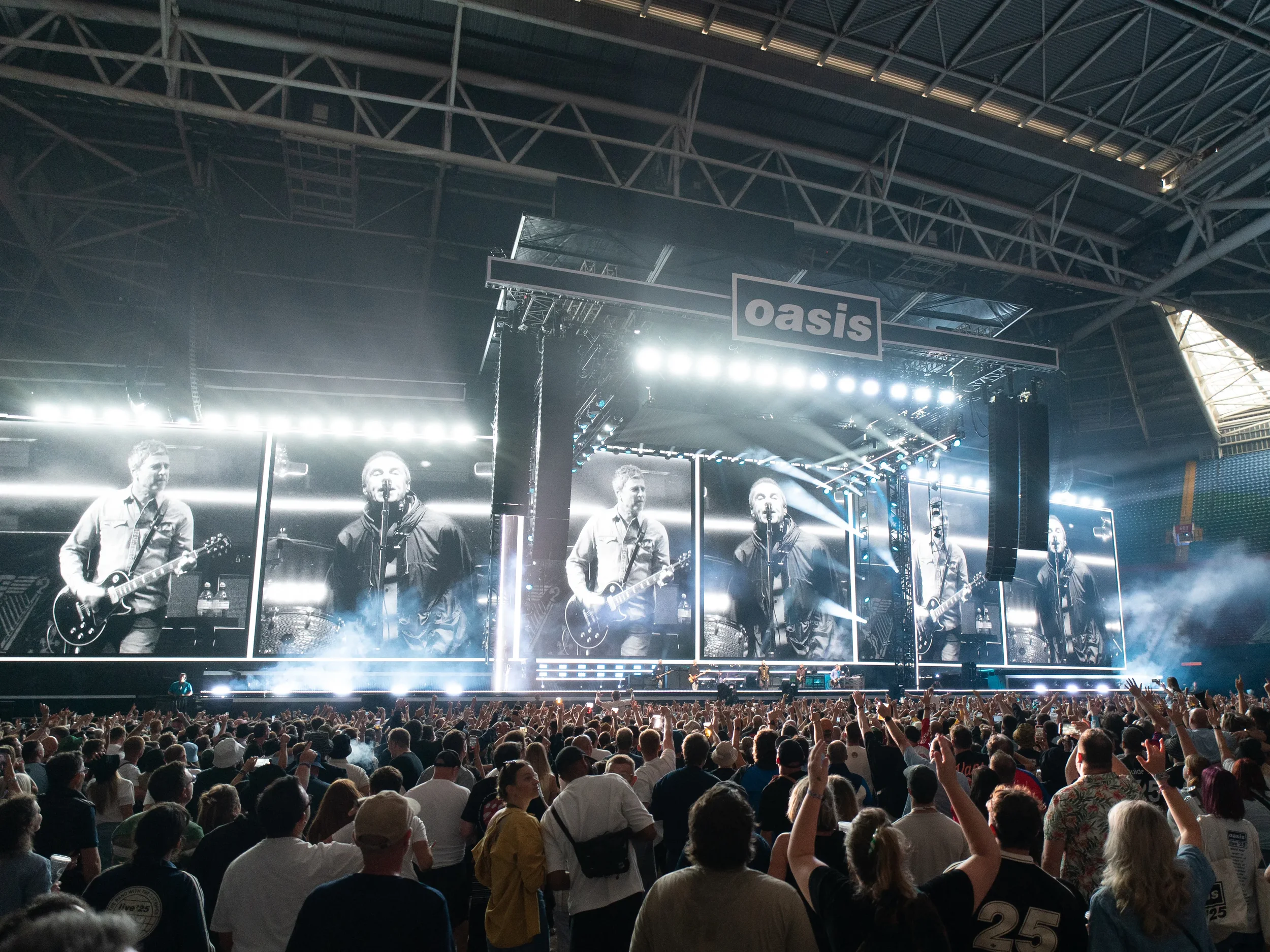
Oasis on their Reunion Tour, Photo by AFP STRINGER/AFP via Getty Images
Of course, while they're selling the nostalgia of the past, you cannot fully get it back. Oasis in 2026 are not Oasis in 1996; the audience is older, the members are older, and the music industry is totally different. But, in my view, if anything, it’s the reason tickets sell. There is something so human about singing the lyrics in a stadium to a song that was written decades ago. Everyone there knows it's not 1996, but they pretend that time is slightly less transient than it usually feels.
Oasis are not the only band doing this, and they definitely will not be the last. As more of the biggest acts of the 1990s and 2000s reach the point where their original audiences have money and a willingness to spend it, the reunion tour is becoming a normal career stage.
Maybe Oasis will eventually disappear again. Maybe Liam and Noel will spend another decade insisting they are done with each other. Maybe, ten years from now, another Oasis reunion will seem completely impossible, and just then they will decide to return.