Beyond “Plastic Love”: My Top 10 Japanese Albums
When YouTube’s algorithm resurrected Mariya Takeuchi’s “Plastic Love” in the late 2010s, an entire generation of Western listeners suddenly “discovered” Japanese pop, decades after it first soundtracked Tokyo’s bubble-era nightlife. Yet the global conversation around Japanese music still tends to be flattened into two boxes: anime theme songs or nostalgic city pop thumbnails. Neither tells the full story. This list isn’t an objective canon (a purely sales-based ranking would look very different), but a personal selection of ten records spanning nearly five decades that, in my view, show how inventive, commercially powerful, and emotionally rich Japanese music has always been.
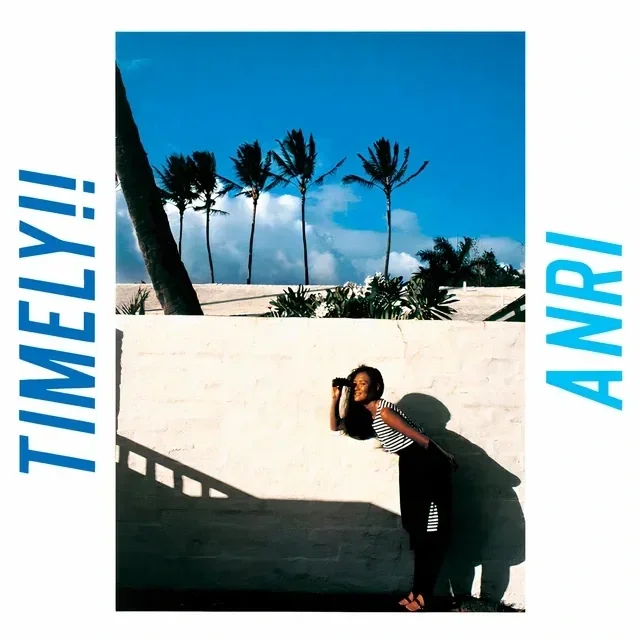
1. ANRI – Timely!! (1983)
Arranged and produced largely by Toshiki Kadomatsu, Timely!! may be the most complete encapsulation of city pop’s sun-soaked optimism, with every track sounding like a coastal drive at golden hour. It also produced “Cat’s Eye,” the anime theme that became one of ANRI’s biggest hits, proving early on that the line between “anime song” and serious pop artistry was always thinner than outsiders assume.

2. Hikaru Utada – First Love (1999)
Released when Utada was only 16, First Love remains the best-selling album in Japanese history, and it’s not difficult to understand why. Her bilingual upbringing between New York and Tokyo gave her an R&B fluency unlike anything else in J-pop at the time. The title track’s revival through Netflix’s 2022 series First Love shows that the album’s heartbreak hasn’t aged a day.

3. B’z – B’z The Best “Pleasure” (1998)
Including a greatest-hits compilation is admittedly a small cheat, but few records explain Japanese rock’s commercial dominance better: the album sold over five million copies. Tak Matsumoto’s guitar work and Koshi Inaba’s theatrical vocals created a blueprint for arena-sized J-rock that still echoes through the industry today.

4. Kenshi Yonezu – STRAY SHEEP (2020)
Before becoming one of Japan’s defining modern artists, Yonezu built his following as a Vocaloid producer under the name Hachi, and STRAY SHEEP feels like the culmination of that internet-born journey into the mainstream. Anchored by the era-defining “Lemon,” the album arrived in the middle of the pandemic and somehow captured both its isolation and its strange, restless hope.
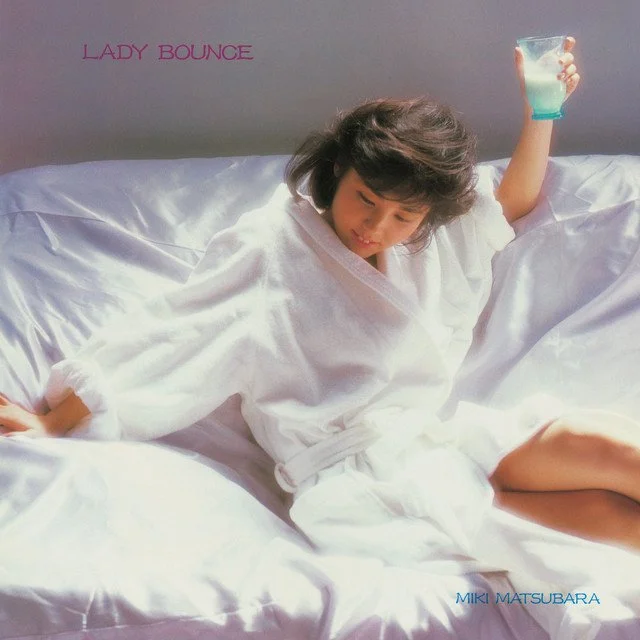
5. Miki Matsubara – Lady Bounce
While most Western listeners know Matsubara through the viral rediscovery of “Mayonaka no Door (Stay With Me),” Lady Bounce shows an artist far more versatile than a single TikTok sound suggests. Her vocals carry a confident, jazz-inflected maturity that deserves to be heard as a full body of work, not just a nostalgic snippet.
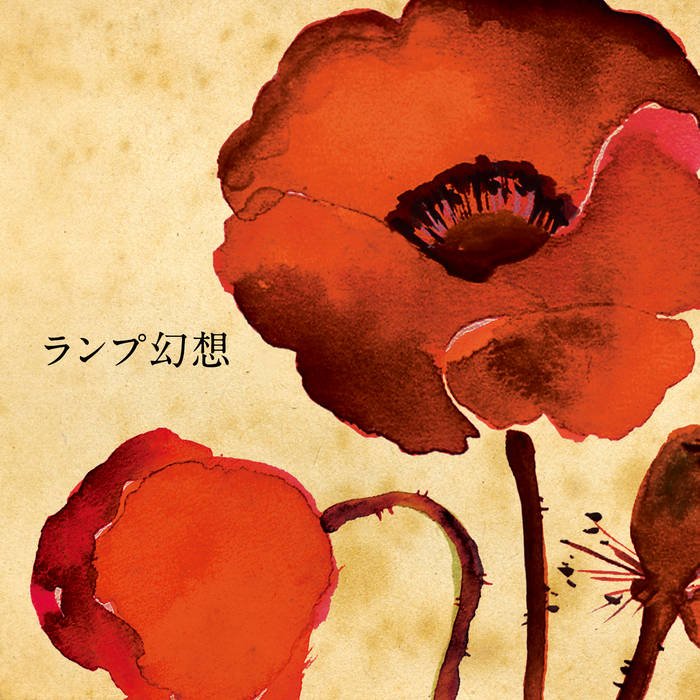
6. Lamp – ランプ幻想 (Lamp Genso) (2008)
Formed in 2000, the trio has quietly built one of the most devoted international followings of any Japanese indie act, mostly through word of mouth and streaming rather than a traditional label push. ランプ幻想 is where their blend of bossa nova, soft rock, and hazy chamber pop feels most fully realized, with lush arrangements that seem to dissolve into the background the moment you try to grab hold of them. It is as close to a daydream as an album can get, which is exactly why it resists easy categorization (and probably why it has aged so gracefully).
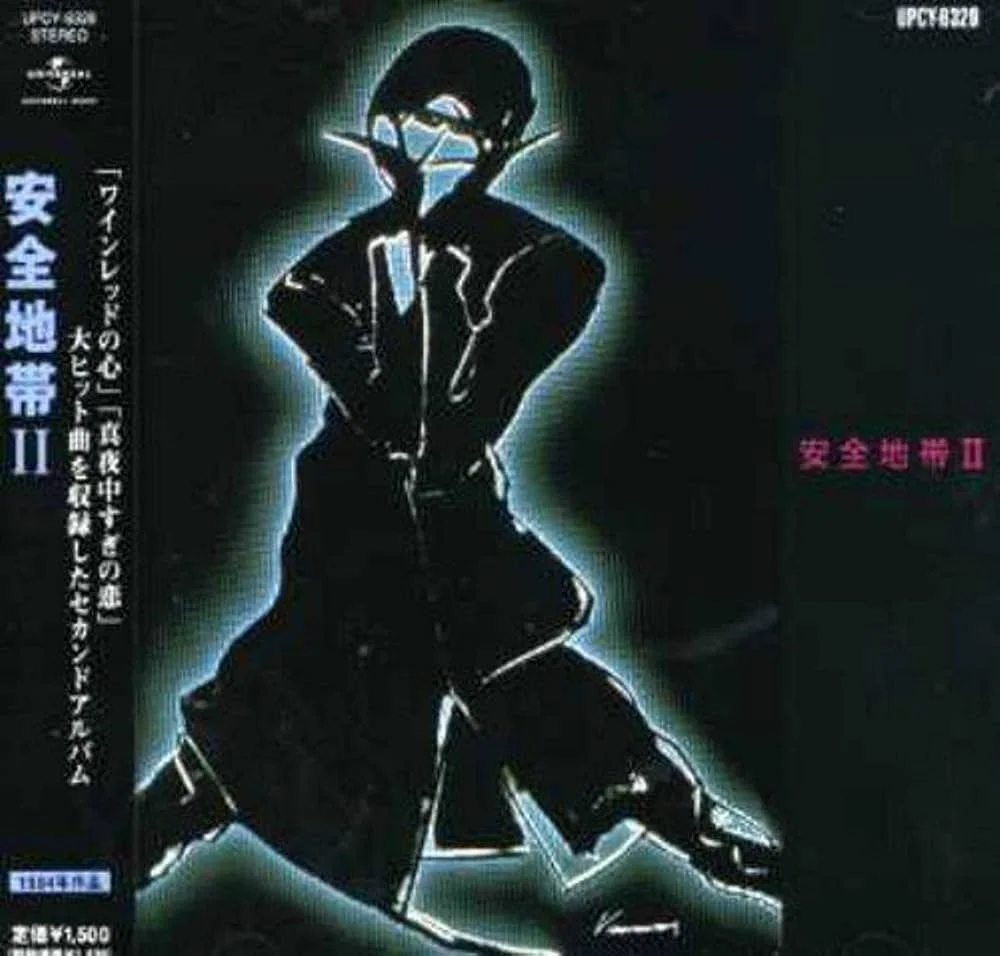
7. Anzen Chitai – Anzen Chitai II (1984)
Home to their breakthrough “Wine Red no Kokoro,” Anzen Chitai II introduced the country to Koji Tamaki, whose voice remains among the most emotionally precise in Japanese pop history. The album pairs adult contemporary polish with a melancholic sensuality that their Western 80s counterparts rarely achieved.
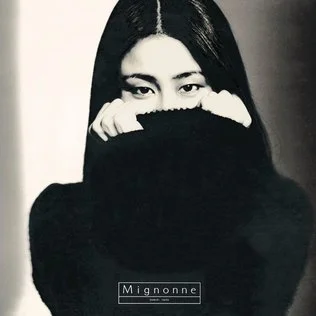
8. Taeko Onuki – MIGNONNE (1978)
A former member of Sugar Babe alongside Tatsuro Yamashita, Onuki recorded MIGNONNE with arrangements largely by Ryuichi Sakamoto, yet the album was a commercial disappointment upon release. Decades later, it is widely regarded as a city pop masterpiece. It’s a fitting reminder that sales figures and artistic legacy rarely move at the same pace (a lesson the industry seems to relearn every generation).

9. Fujii Kaze – LOVE ALL SERVE ALL (2022)
What makes LOVE ALL SERVE ALL remarkable is how seamlessly it fuses Western R&B, gospel, funk, and jazz with a distinctly Japanese sensibility, without ever sounding like imitation. Tracks like “Kirari” and “Matsuri” show an artist who isn’t trying to translate Japanese music for the West, but instead absorbing global genres and making them entirely his own.
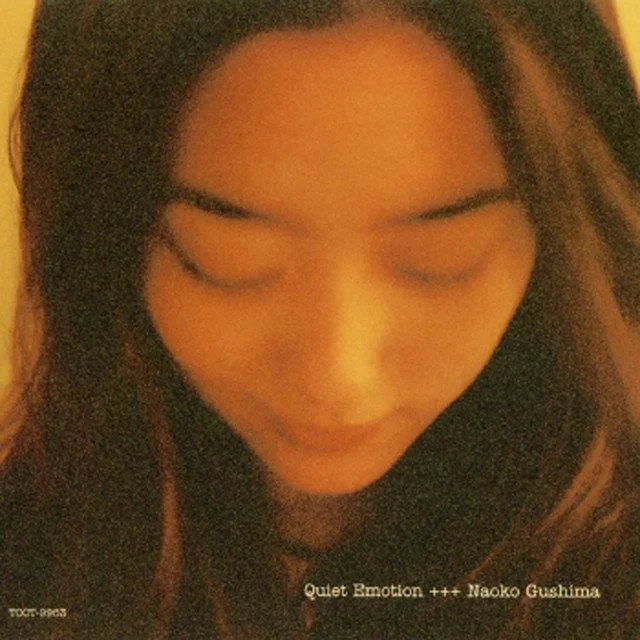
10. Naoko Gushima – Quiet Emotion (1997)
Yes, this is the deep cut on the list, and I’m fully aware of it. Produced and arranged by Toshihiro Kirigaya, the album moves between R&B, funk, and bossa nova, all carried by Gushima’s gentle, almost transparent vocals. Written almost entirely by Gushima herself, it is popular in Japan and abroad alike. Arriving well after city pop’s 80s heyday, Quiet Emotion shows that the genre’s smooth, late-night sophistication didn’t vanish when the bubble burst. It quietly evolved into something more introspective.