Blades & Crescendos: The Sound of the 2026 Olympics
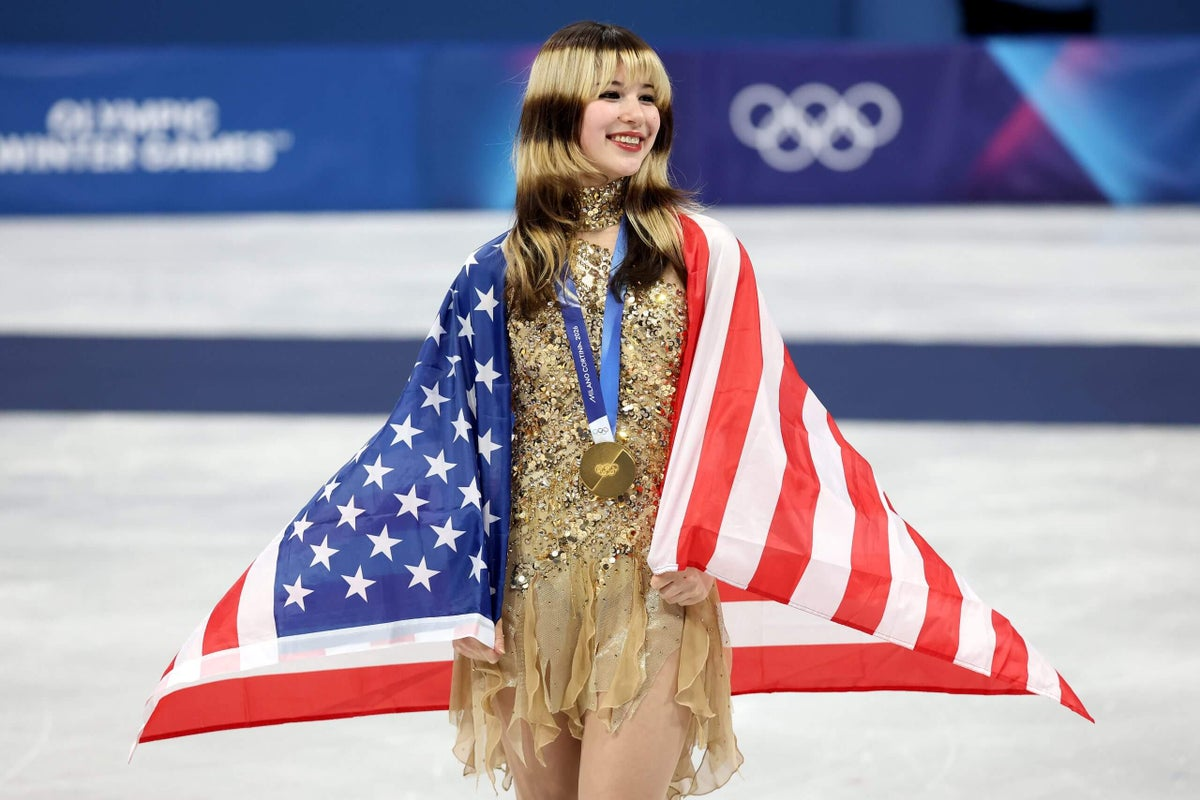
Alysa Liu winning Gold at the 2026 Winter Olympics, Credit: New York Times
As the first notes echo through the ice rink, the crowd falls silent and listens to the duet of gliding ice as it performs with the music. The physical demands of ice skating become more than just technique: it becomes a test of the extent to which an athlete can show their artistic imagery. Music may seem like just the backdrop to any successful program in Figure Skating, but this is far from the truth. Without music, ice skating becomes a dance of silence where emotional storytelling becomes harder to paint. And, in light of the Milano Cortina 2026 Winter Olympics ending tomorrow, Ongaku Magazine has decided to research and analyze how music has not only been featured in this year’s games, but how it has ultimately shaped the sport.
(Below, we’ve also linked a playlist of the music used by the podium-placing singles in both the Women’s and Men’s sections. It is ordered by Short Program to Free Skate per each athlete, and completed with recaps of both events.)
Athletic Context
Before looking into the music, though, it’s crucial to understand how epic this year’s competition of Figure Skaters was. A lot of surprises and achievements rang through for many of the athletes and the nations they were representing. The 20-year-old Alysa Liu has become the first American Olympic Gold Medalist in Women’s Individual Figure Skating since Sarah Hughes’ win in 2002. This win marks the end of a 24 year drought in American figure skating, and was even more shocking as Liu had previously retired from the rink in April of 2022: she came out of retirement just in 2024 and has quickly shown the world that her talents did not erode with the hiatus. Mikhail Shaidorov also won Gold in the Men’s Individual Figure Skating, awarding Kazakhstan its first ever 1st place medallion in this section of figure skating.
The Milano Cortina served as a massive win for Japan as well, securing second and third place in both the Men's and Women’s Individual competitions. Sadly, the 2026 Winter Olympics also marked the end of the now 25-year-old legacy figure skater, Kaori Sakamoto. Her career is cited as one of the most influential in Figure Skating, ending with a total decoration of three World Champion Titles, two Olympic medals, and a 6-time Japanese national champion. While the event marked her final performance, the music that beautified her technique was even more unforgettable.
Why Does Music Matter in Figure Skating?
Still, before looking into the specific song choices of our legendary 2026 winners, it must be clarified that music is beyond an aesthetic preference within the sport. In terms of judging the skaters, the choice of music is influential on the criteria’s focus on components. This portion of the scoring evaluates the athlete’s quote-on-quote artistry (formerly called the Program Component Score (PCS)). It’s further divided into three subcategories: Skating Skills (SS), Composition (CO), and Presentation (PR). SS is the adjudication of an athlete’s ability to cover rink space, express power, and move with grace, where the CO component investigates the program’s overall pattern. Accordingly, PR focuses on the athlete’s physical and emotional interpretation of the music, but ultimately, without a strong song choice that resonates with the skater’s personality, the entire PCS component becomes faulty.
So, if the skater doesn’t understand how a song represents emotions, they are likely to have a harder time expressing an emotional interpretation to the music, costing their score. Without a song that has strong emotion too, it can be hard for the skater to construct a progressive story throughout their performance, which is also heavily weighted by components in PCS. Quite literally, Ice Skating is an art, as just from its criteria, simply performing jumps becomes inadequate.
Music in This Year’s Olympics
As featured on our playlist, some of the most common types of music you’d hear during an Ice Skating routine are classical and balladic music. For example, Kaori Sakamoto’s Free Skate program featured a mix of multiple Édith Piaf songs, including “La Vie en rose” and “Non, je ne regrette rien.” The musical choice was carefully articulated, allowing Piaf’s aching voice and nostalgic melodies to emphasize the longevity Kaori’s career represented. The arrangement of Piaf’s music conveyed the message that the athlete was satisfied with how her career had progressed, despite feeling sorrow in having to end it. The song lets the lyrics “je ne regrette rien” (I don’t regret anything) echo as the final lyrics of her skating career: providing deep messaging.
In the Short Program too (which came before the Free Skate), the song “Time to Say Goodbye” by Sarah Brightman and Andrea Bocelli was able to set the tone from the moment Kaori stepped onto the ice. With a symbolic title that emphasized the performance as a farewell from Kaori herself, the athlete danced with grace and elegance, allowing for the arrangement of sentimental strings and Bocelli’s yearning voice to elevate her swan-like movements. The music’s sense of leaving the listener feeling shattered and partially incomplete by the end of the track really worked in favor of Kaori’s second-to-last performance. The classic song has a foreshadowing climax that insinuates the end is near, making every single moment a priceless quantity of time. Where Sakamoto’s movements and facial expressions are parallel to the sorrow that Bocelli depicts, by the end of the performance, the audience is left longing for Sakamoto to continue skating, but is left with the reality that she had already finished her Short Program. All this because of the music.
What felt strikingly unique in this cycle of Olympic performance, though, was Alysa Liu’s ability to stay authentic to herself and choose a song that felt less conventional for figure skaters. Liu’s choice for her Free Skate song strayed away from the typical choice of romantic French-style classics or orchestral music. Instead, the California-raised skater went ahead and skated to Donna Summer’s “MacArthur Park,” a cult-favorite dance pop track shimmering with 70s synths and glimmers. The song was a refreshing bundle of sunshine and helped Liu’s personality and bright energy radiate throughout her performance. Clearly, the audience could see Alysa’s beaming smile persisting throughout the program, and that very simply, she was having fun with her music. Even indicating that she “rediscovered a love for skating… as a vehicle for self-expression” during her retirement, it’s clear that Liu attended the Olympics to have fun. Evidenced through the song’s ability to bring out the gold-medal winner’s happiness, her performance resonated with not only the crowd, but also allowed judges to likely score her high in the PCS category.
All in all, the importance of music is something that is more than relevant throughout the 2026 Winter Olympics. What might just seem like the “background” to technical brilliance in the Figure Skating world, the international event actually shows just how valuable the connection between music and human identity is. Not only is it something that influences a high score on the judging rubric, but it’s a way for humans to feel good about themselves and enjoy the feelings that music can provide. Whether you’re the next Olympic-level figure skater or not, the next time you might feel the urge to dance to a favorite track, it’s noteworthy to realize that you’re feeling a more-than-normal human feeling: music.